Native Designs
Losing Identities
Synopsis
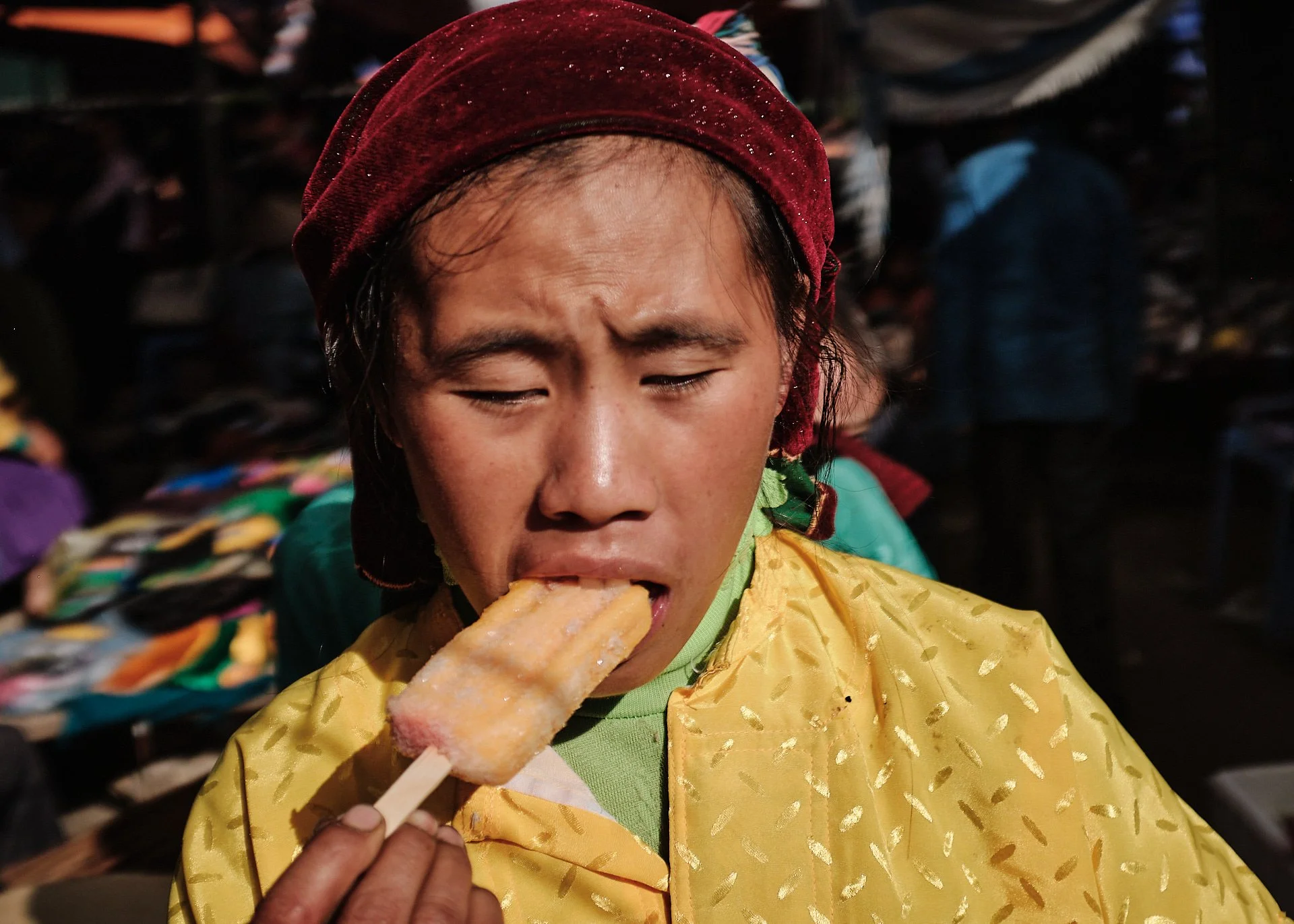
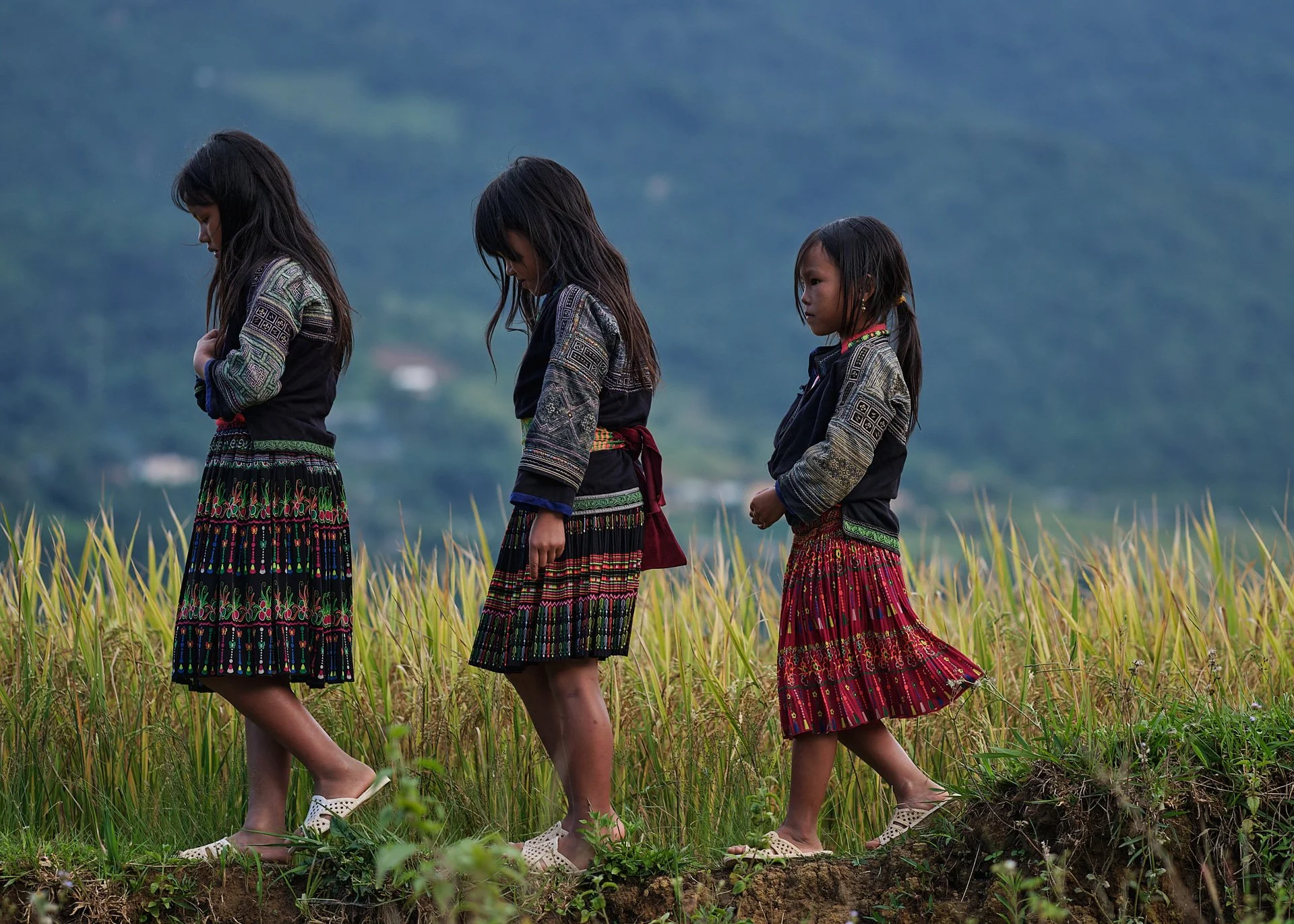
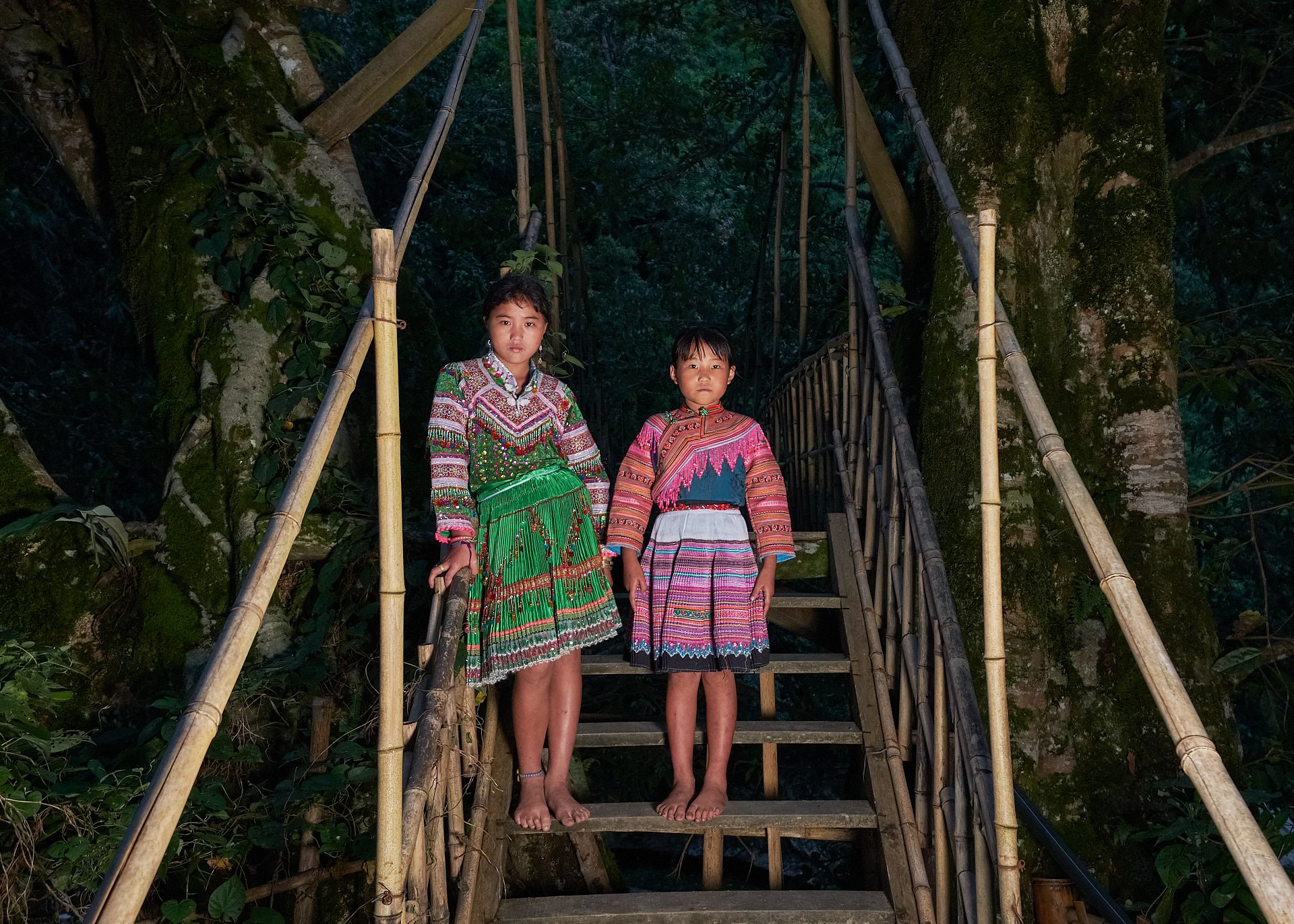
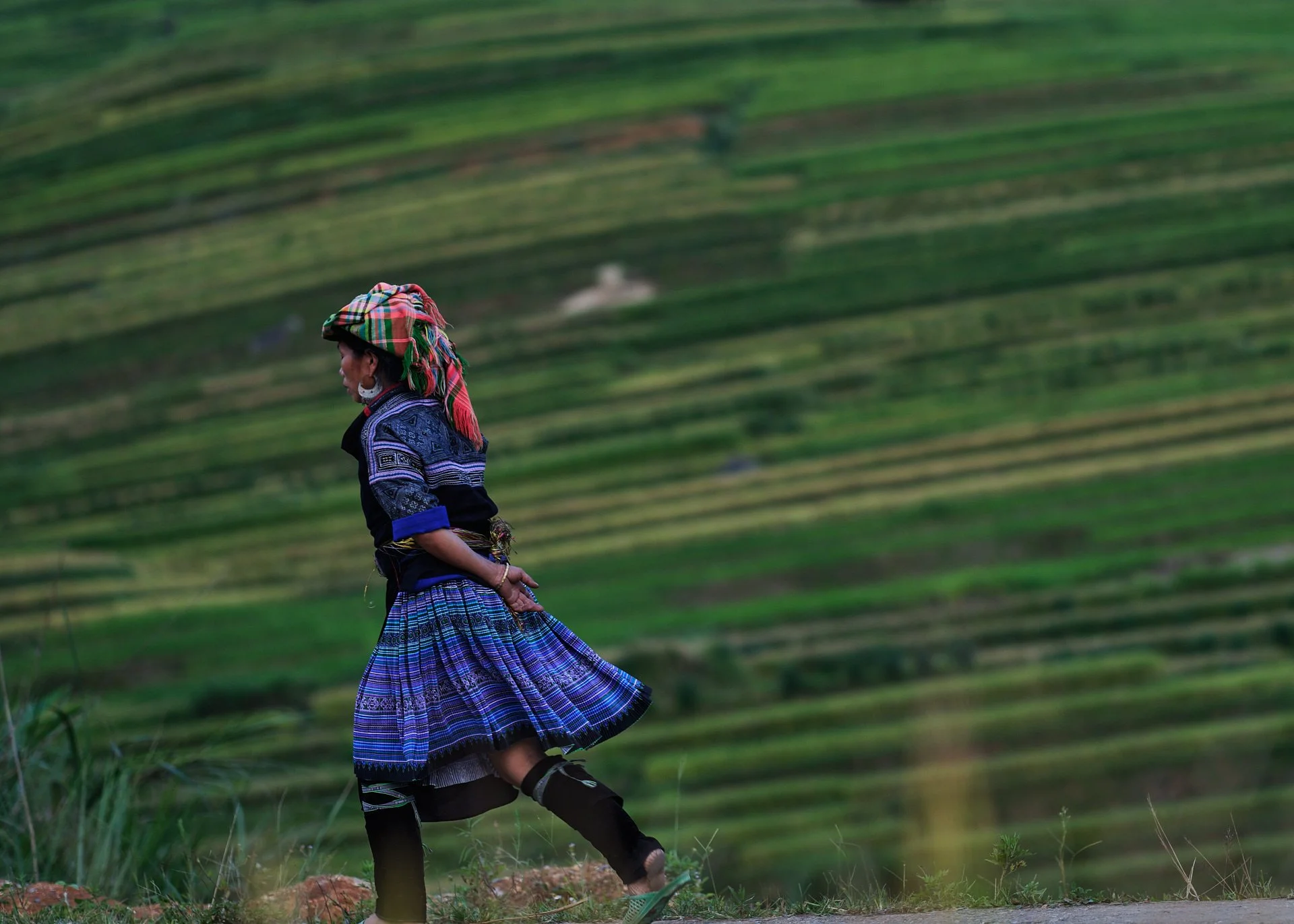
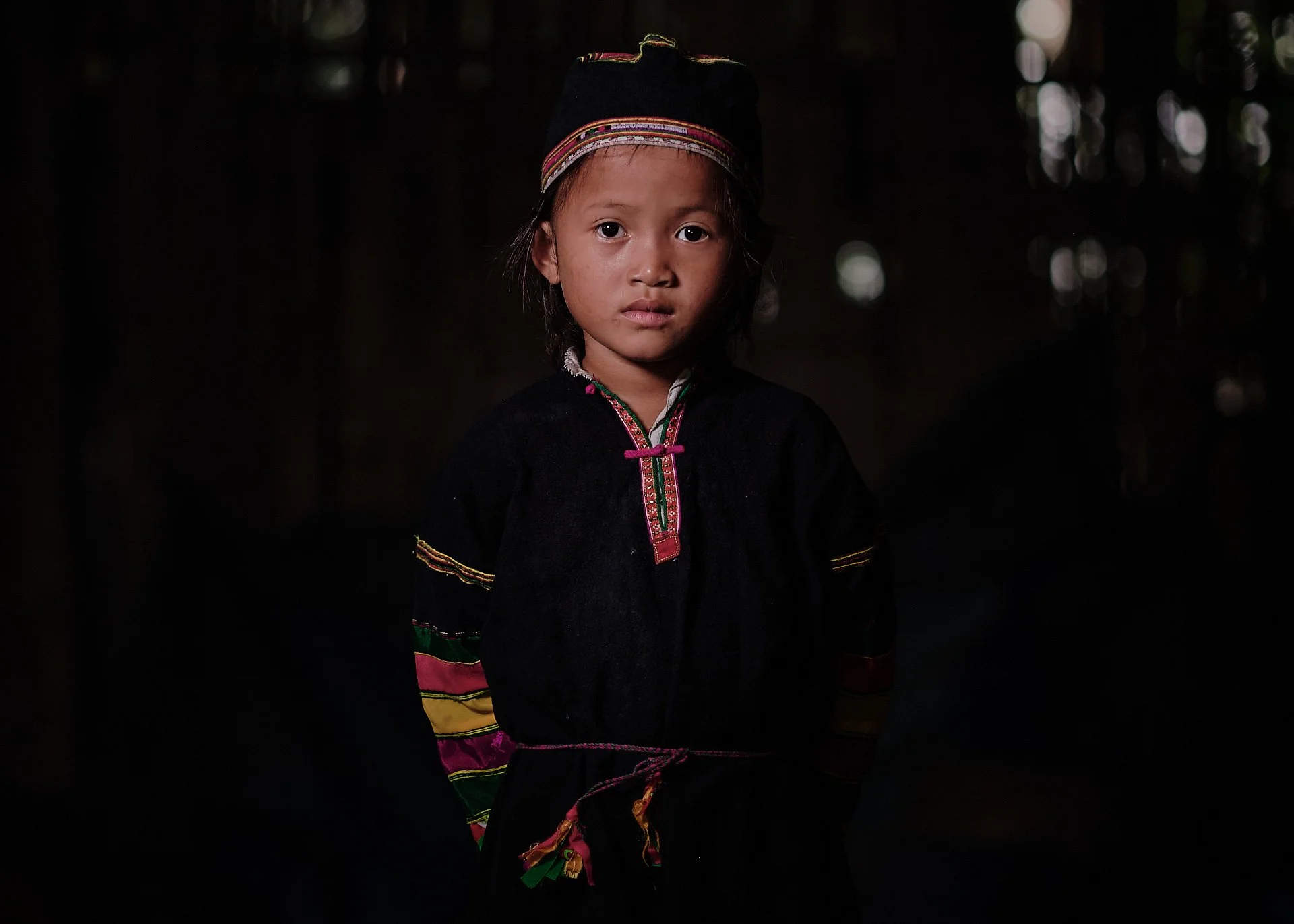
When cultures are involved, change is the only thing that doesn't change. In the mountainous regions of Northern Vietnam, the change is happening rapidly. Along with the regional variations in language and traditions, native communities in this area are distinguishable from each other by their dress code. For example, a Red Dao woman would wear a cloth much different from a woman belonging to Flower Hmong or a Black Lo Lo community. This is very different and unique compared to any other indigenous group worldwide.
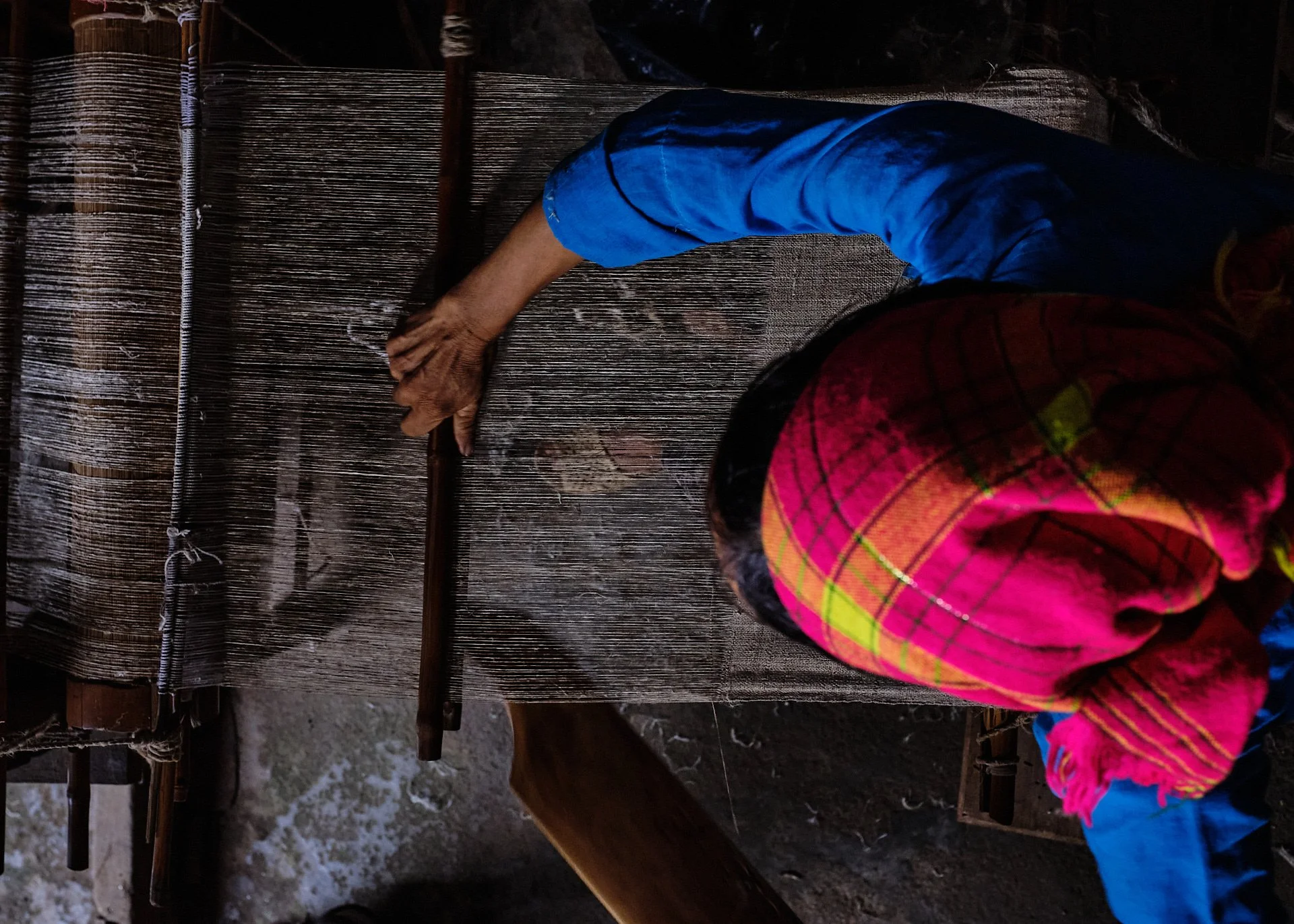
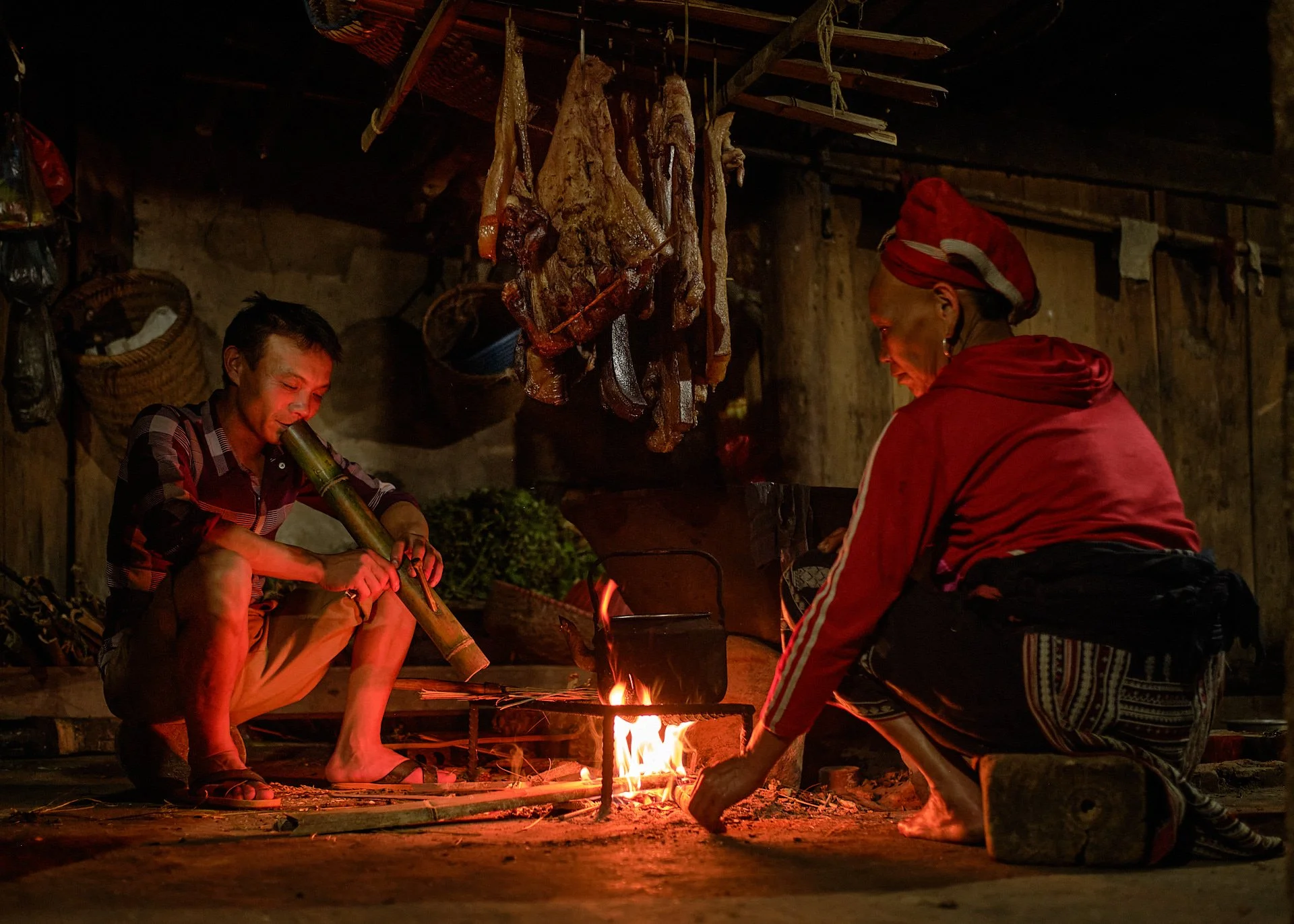
This project documents the ordinary life of native people, channeling between their cultural identities and modern lifestyles, with particular emphasis on their traditional clothes.
Often the worldview overlooks the part of traditional costumes in cultural conservation. Documenting an image of an indigenous person wearing a traditional outfit is now considered merely a stunt of a glorified tourist or a self-centered photographer. This view, in an attempt to ensure the rights of indigenous groups towards change, can also negatively affect a community that wants to preserve its culture during the transition phase. A fine line cannot be drawn between the opinions for and against the need for conserving traditional costumes, where most of these opinions come from non-indigenous people.
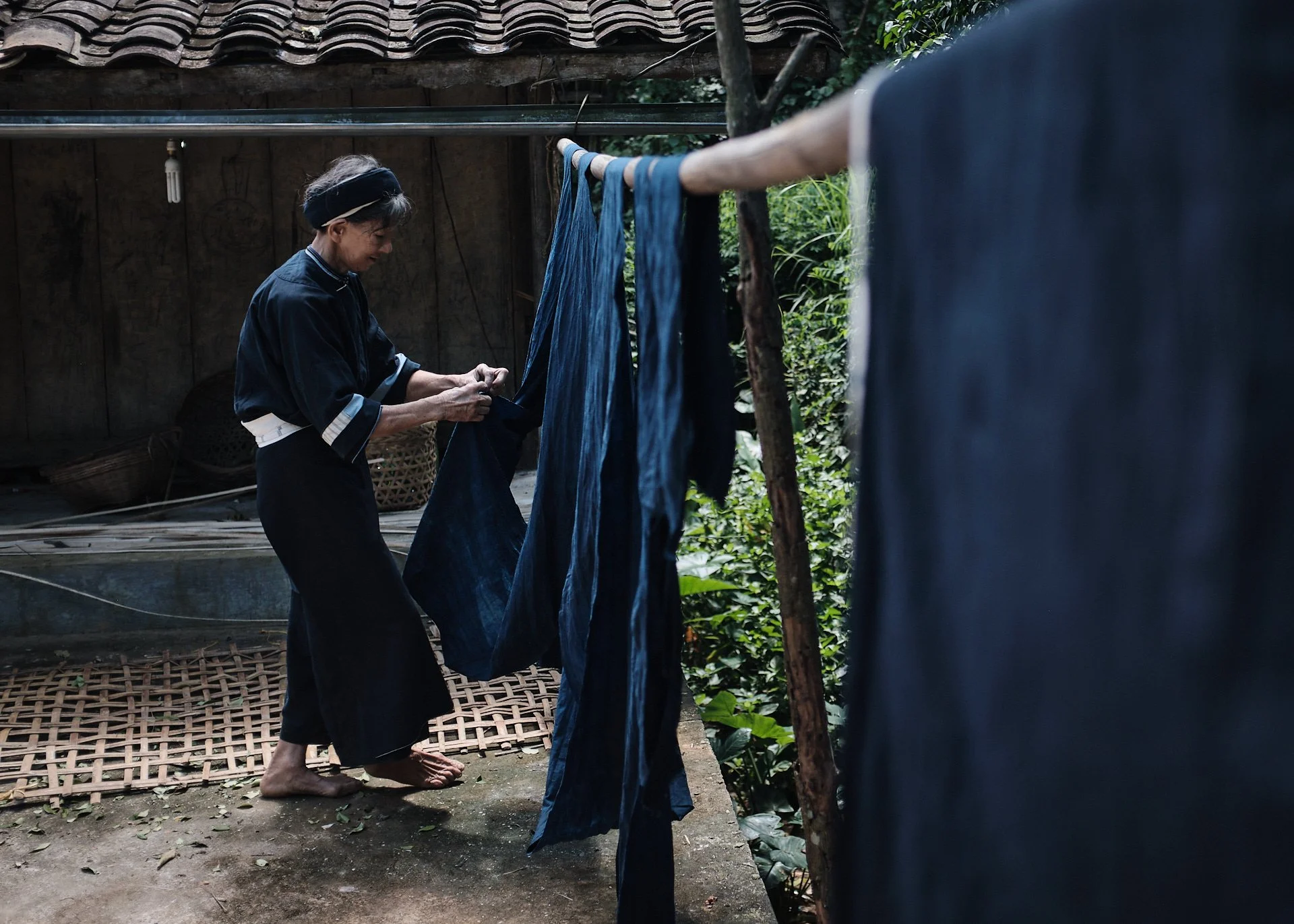
In Northern Vietnam, Countless native groups have called the dense jungles and sloppy hills their home for centuries. With modernity penetrating nearly everywhere, so does the comfort it gives. Imagine the clothing options for a fast-paced generation towards personal developments and work-life. Will they just wear a readily available shirt and jeans, or will they wait for the artistically dyed and created traditional dresses from the handful of the remaining native weaver?.
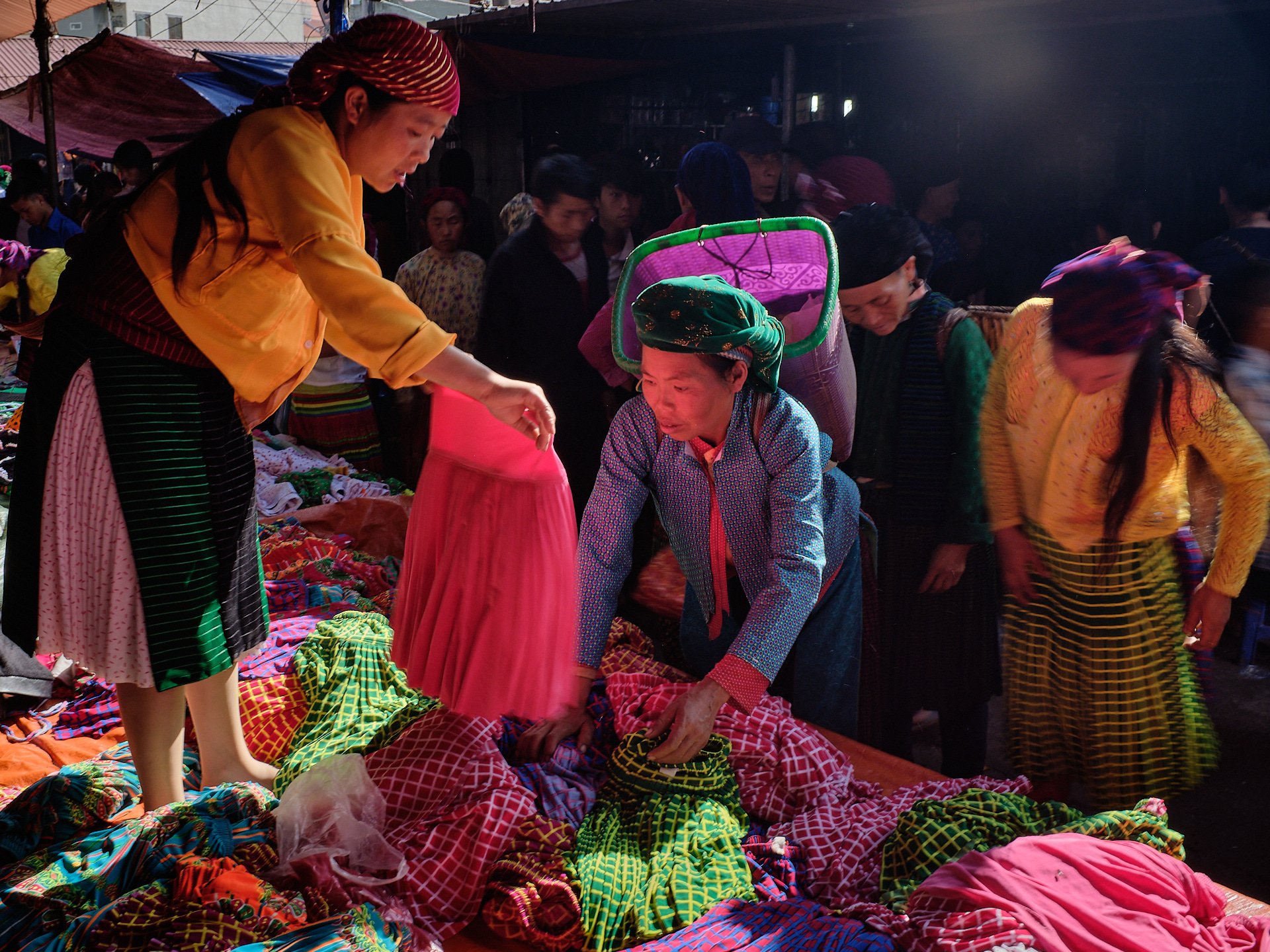
In some parts, like in the famous indigenous market in Dong Van, one can witness piles of readymade, printed cultural clothes on sale and a curious crowd of indigenous people fitting them on. Often culture just doesn't disappear; here, in this case, it just took a changeover. For these buyers of polyester clothing, the ease of availability and the lower cost makes them willfully stick to their customs a little longer. It also proves that modernity cannot always take the attention of native people away from their cultural identities.
On the contrary, it is uncommon to find a child walking around wearing traditional dresses these days, but they all get one for special occasions. This also has been noted in many other cultures, be it with Native people of the Western Ghats in India or Pacific islanders. It makes one wonder whether the disappearing traditional dresses negatively impact the cultural identities; where in this scenario, these dresses are transformed from ordinary day-to-day objects into something special, arresting their uniqueness to the test of time.
What does life mean for native people in the beautiful hills of Northern Vietnam, in their traditional clothes preserving their cultural identity without demanding any extra glorification?. How simple can it be ?.