0
Skip to Content
BHAGI SIVA
.HOME
.Travel
.Stories
.Blog
.About
BHAGI SIVA
.HOME
.Travel
.Stories
.Blog
.About
.HOME
.Travel
.Stories
.Blog
.About
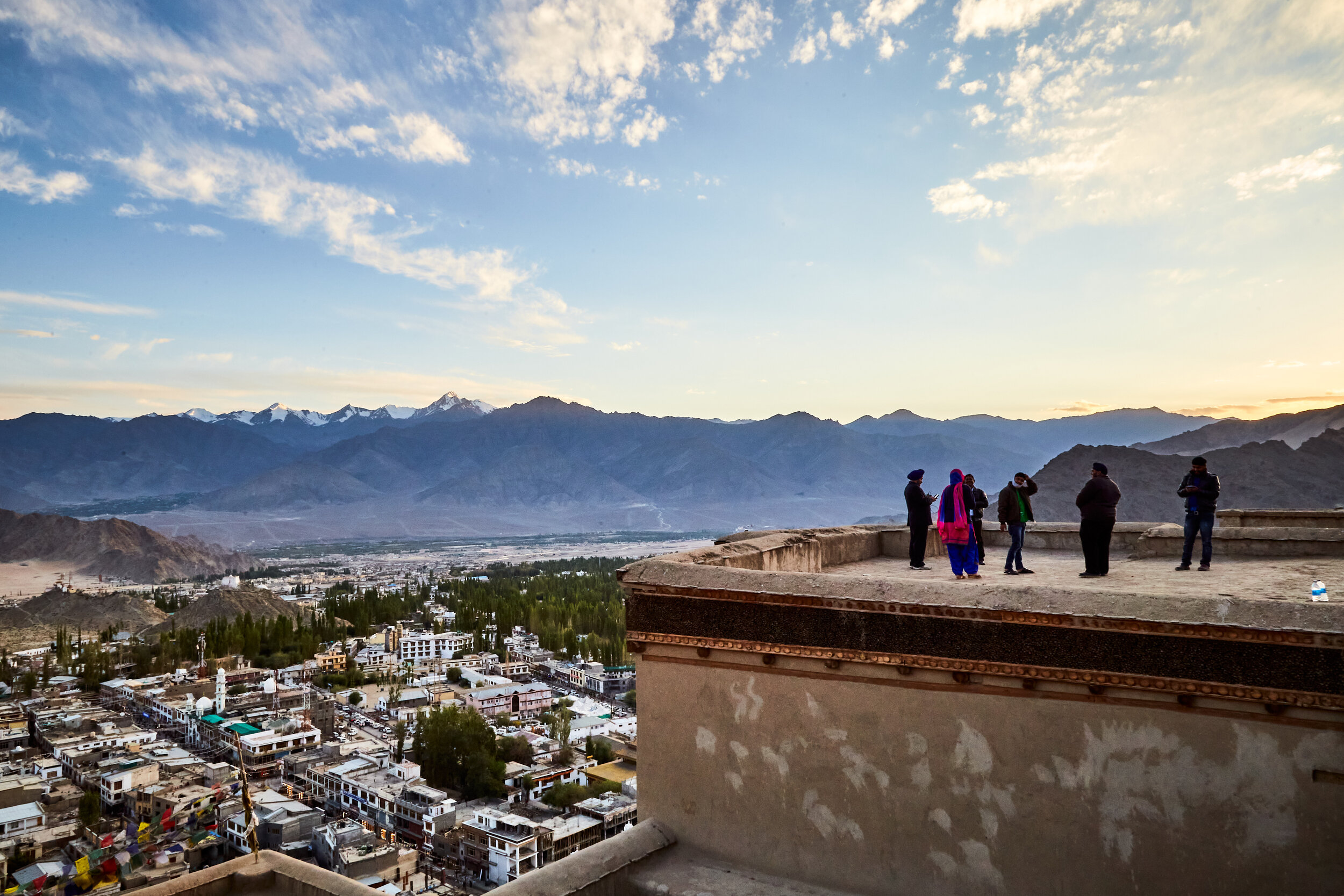
 Tourists standing on the top of Leh palace. In the recent past this Himalayan outpost has become a popular tourist destination for the majority local tourists, thanks to several movies shot in the region. View fullsize
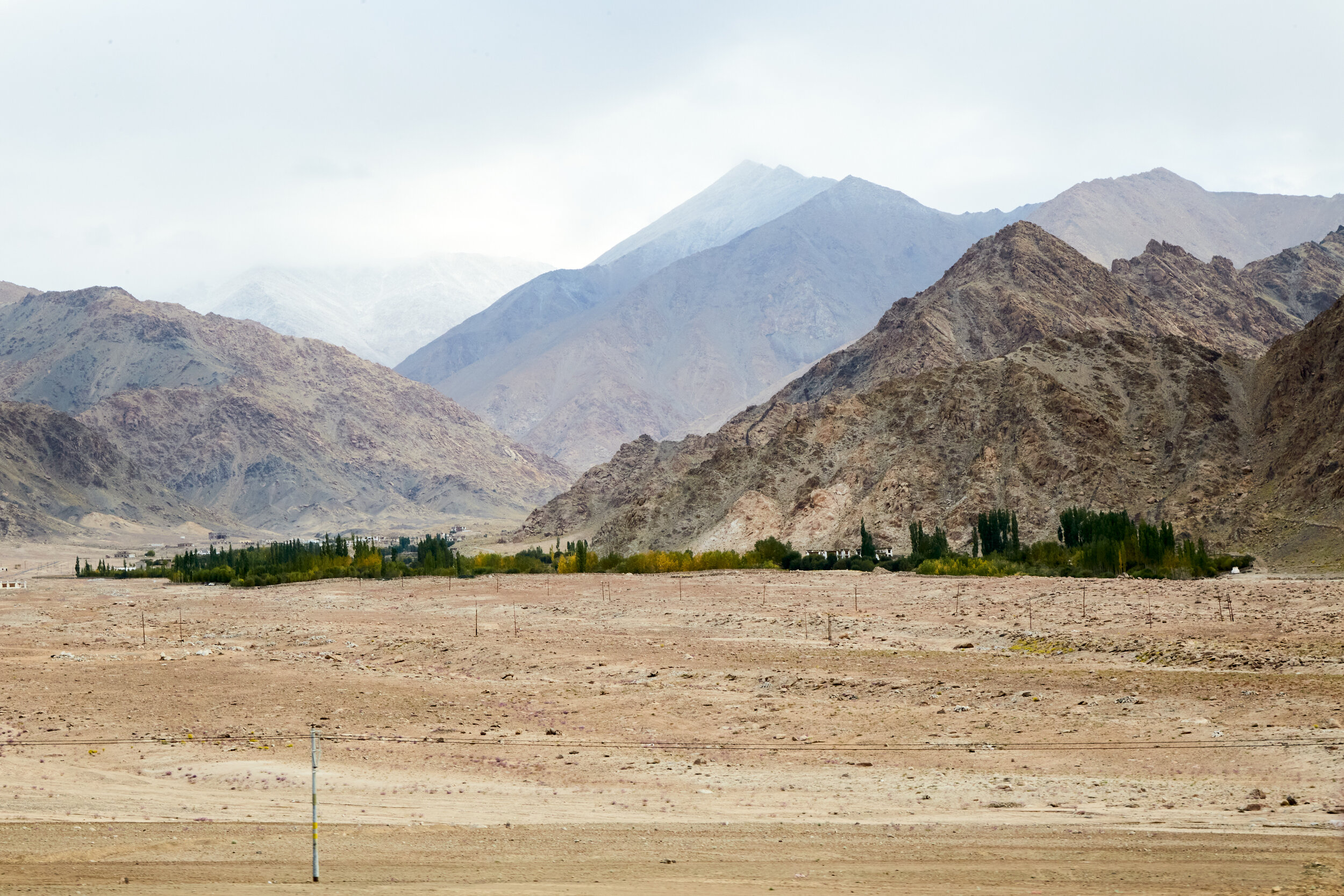
 A small village out in a barren land surrounded by hills View fullsize
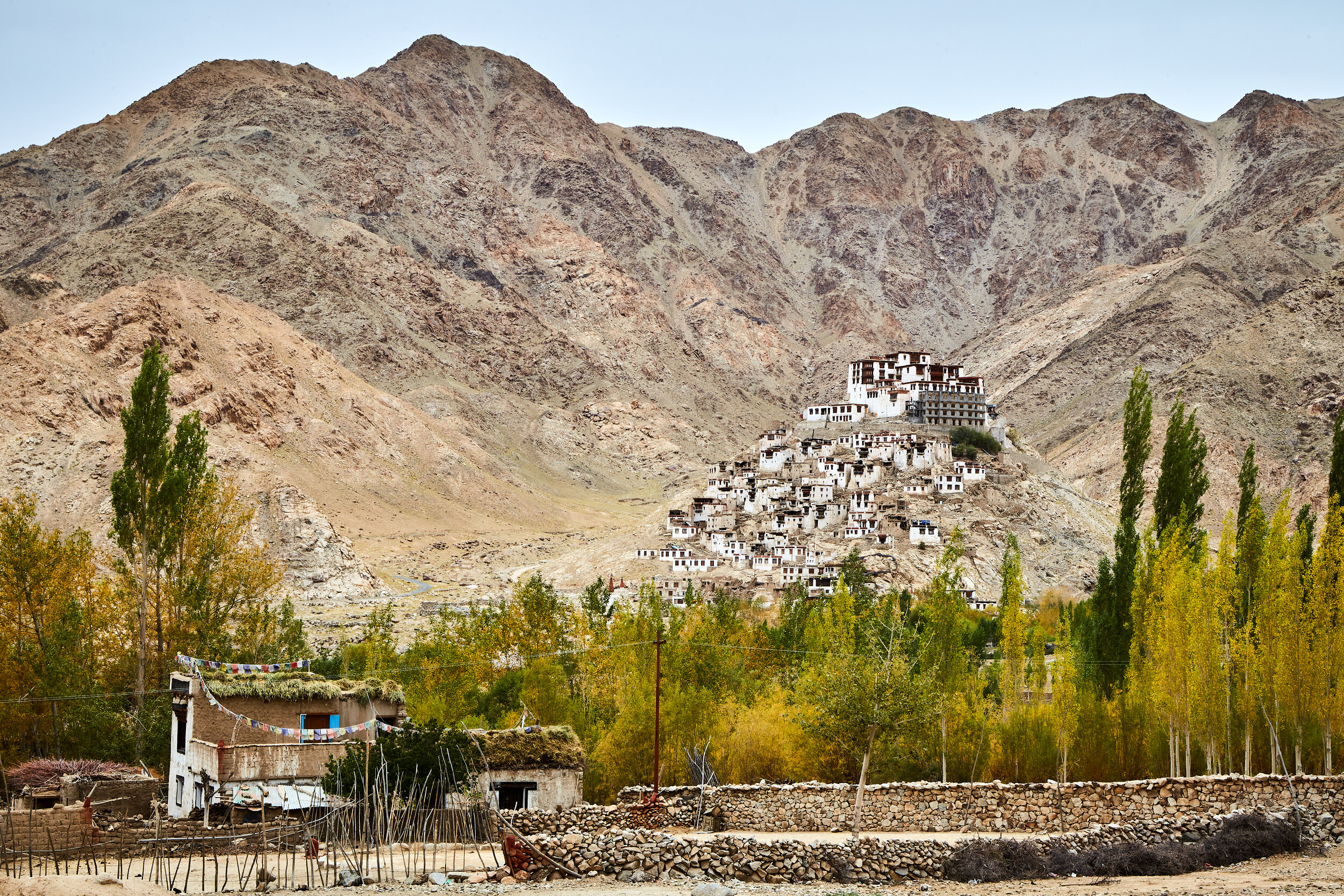
 A buddhist monastery complex on a hill overlooking the villages.  View fullsize
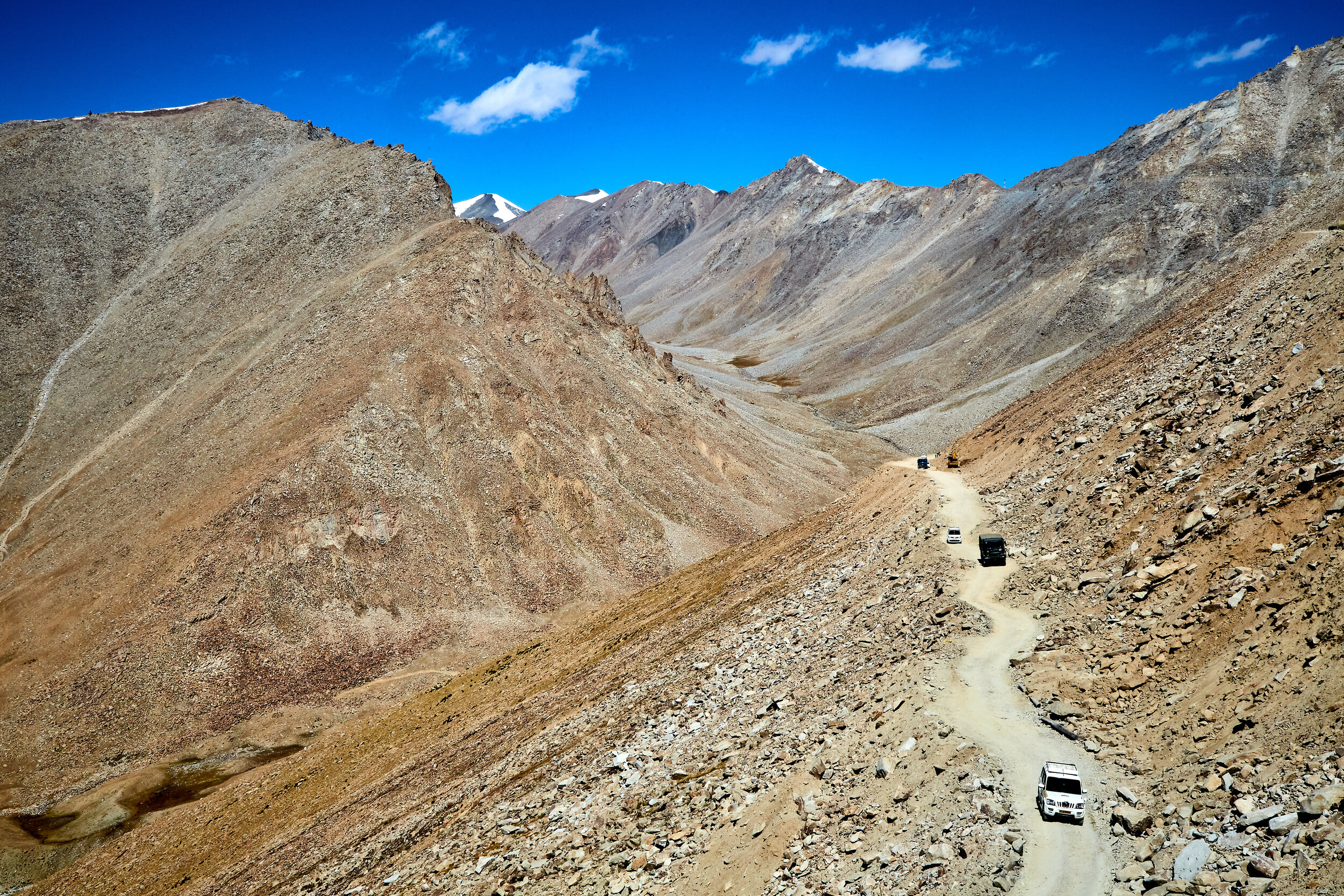
 Narrow roads connect the various localities in the Ladakh region. This particular road leads to Nubra valley from Leh and will pass through the world’s highest motorable road at Khardung la.  View fullsize
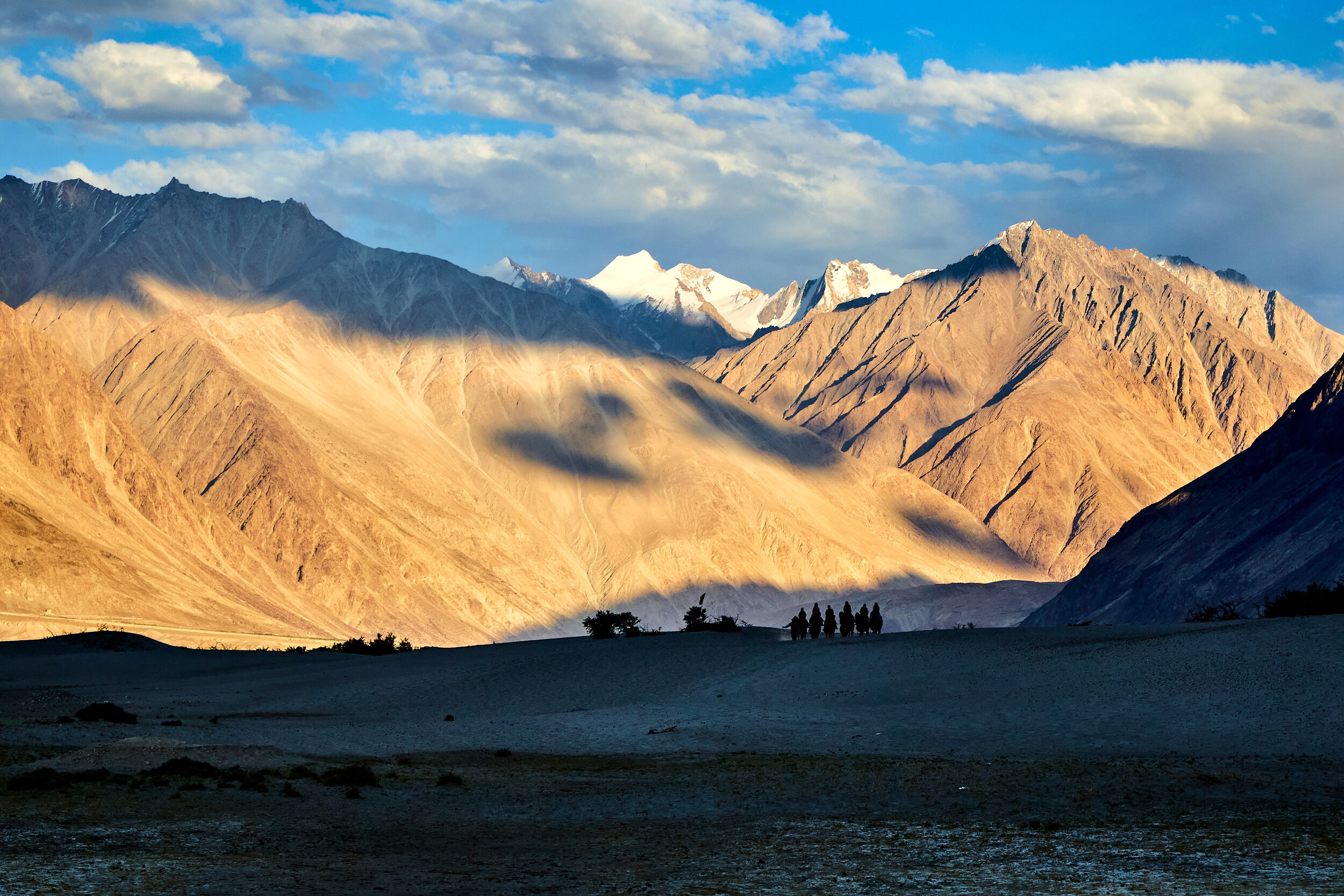
 Nubra valley is formed by the surrounding Karakoram mountain ranges. This region was once a part of the ancient silk route. View fullsize
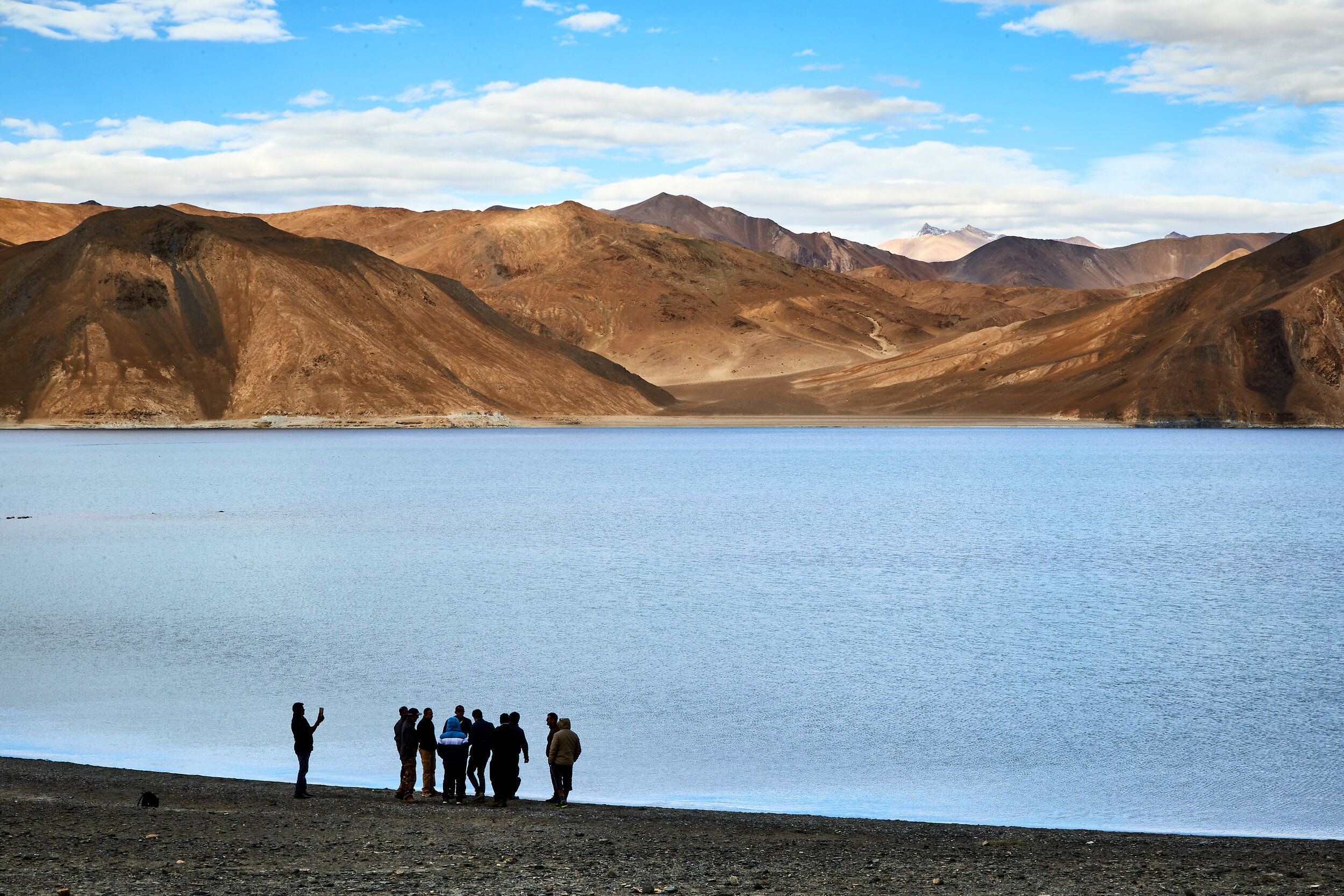
 Pangong lake is the world’s highest salt water lake and extends till bordering the Tibet and China. It is also the site at which the closing scenes of the famous Three idiots film was shot. Now its occasionally being called as Three idiots lake and View fullsize
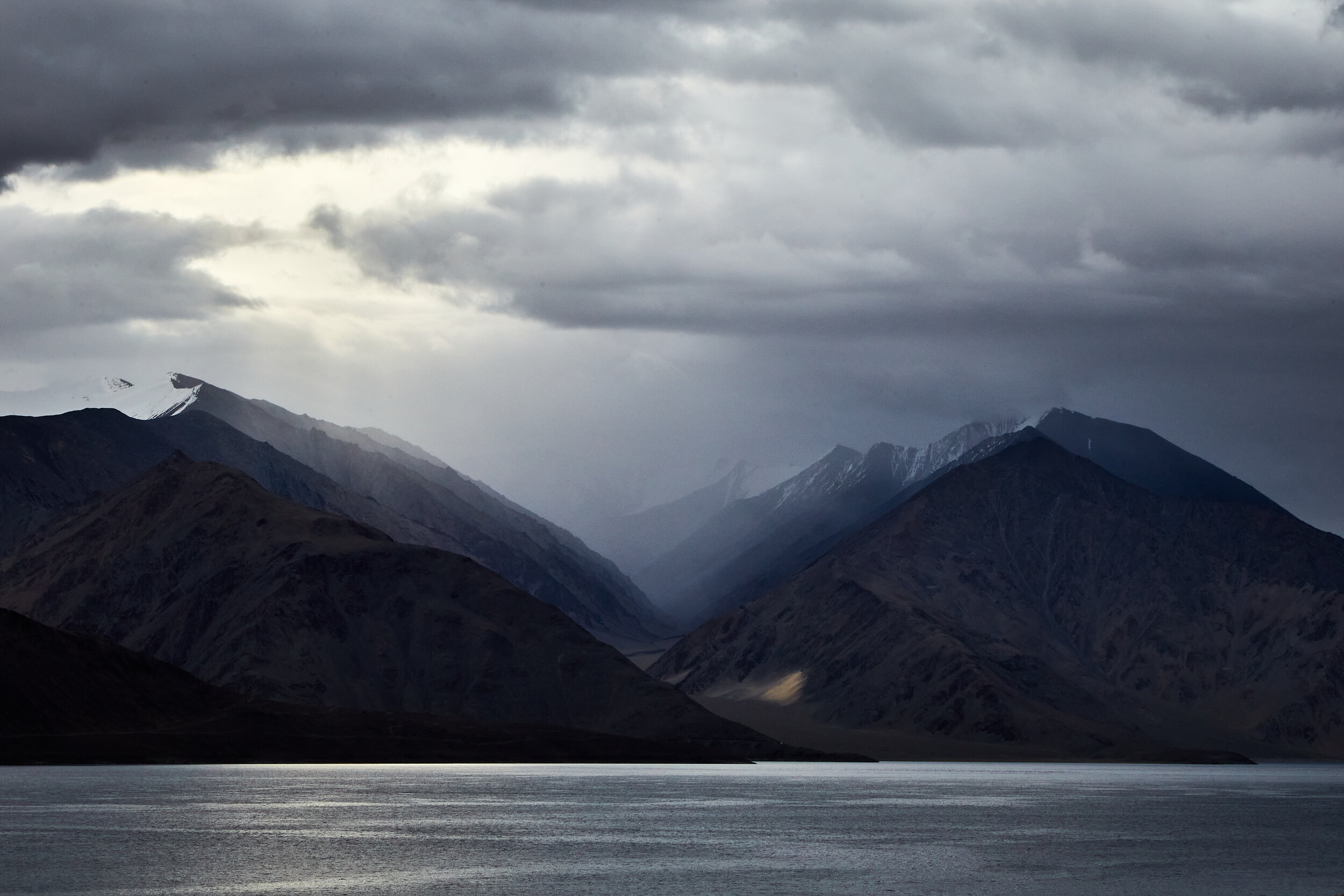
 The landscape on the other side of the Pangong lake contributes to the Indian border with China. View fullsize
 As we move away towards Pakistan the demography of the regions changes rapidly. A group of ethnic muslims herding their cattle back home at dusk in a village near the Pakistan border.  View fullsize
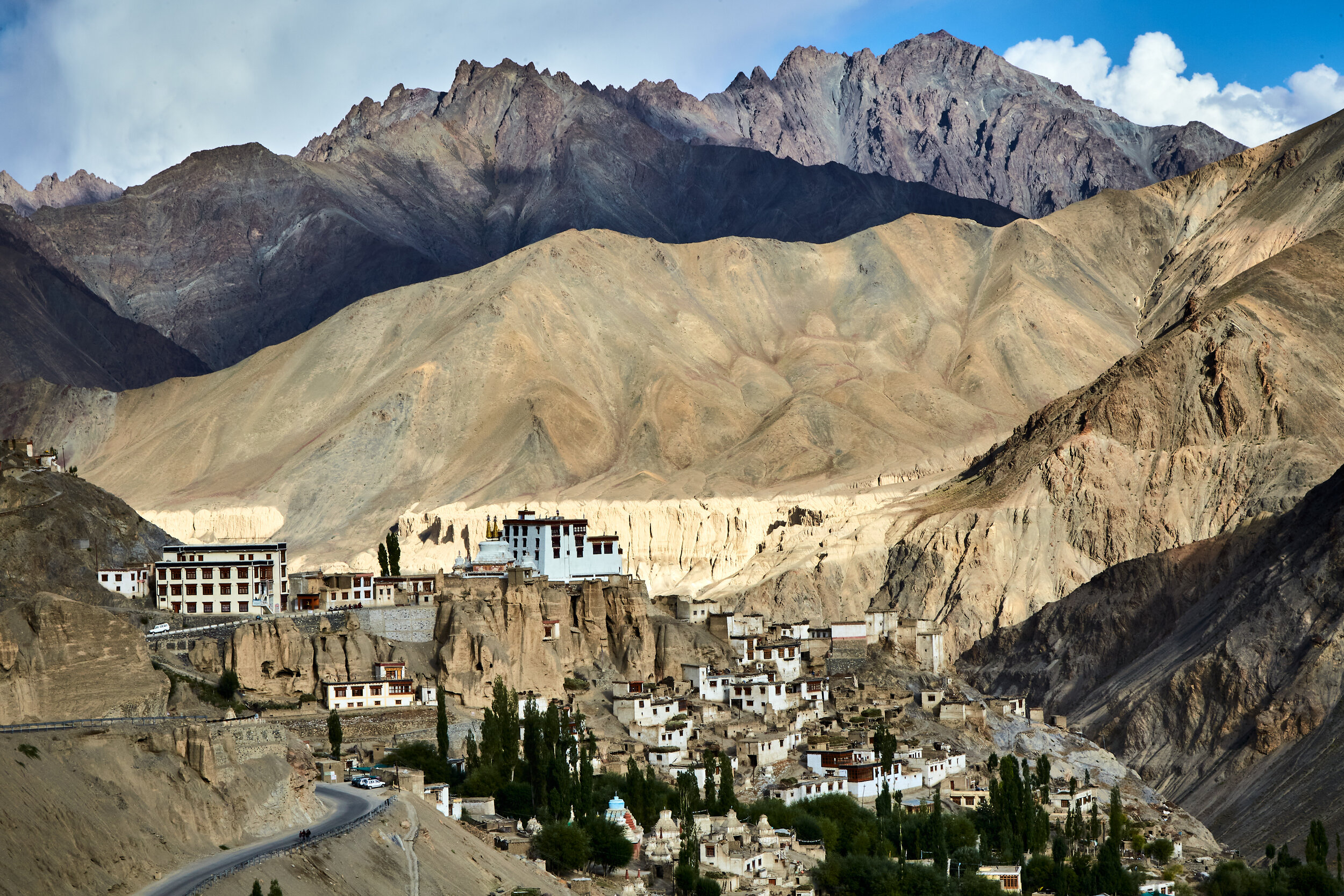
 Lamayaru monastery, one of the prominent monastery complex in Ladakh surrounded by Himalayan landscape. View fullsize
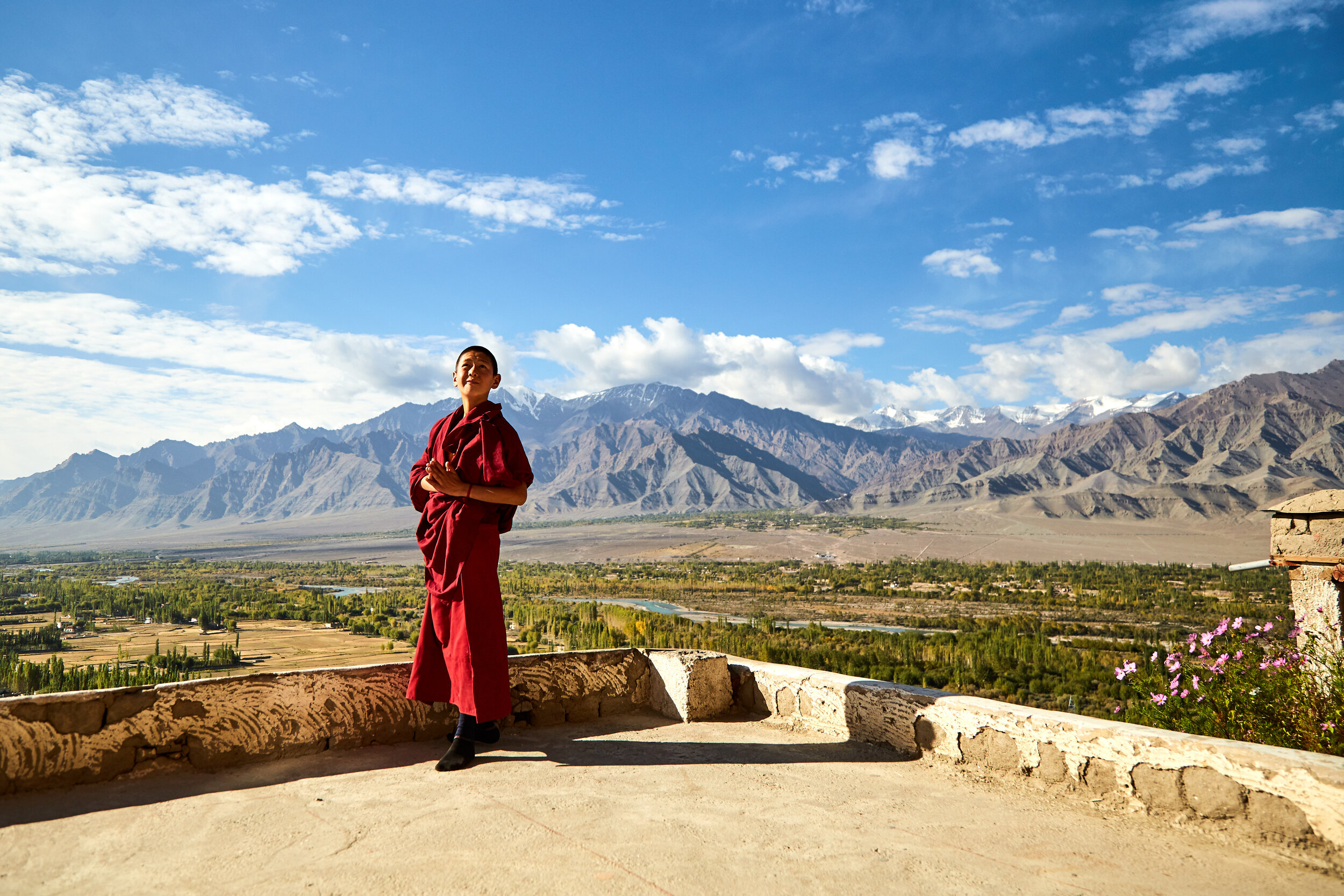
 A novice monk doing morning prayers looking at the sun. They follow the traditions of Mahayana buddhism. View fullsize
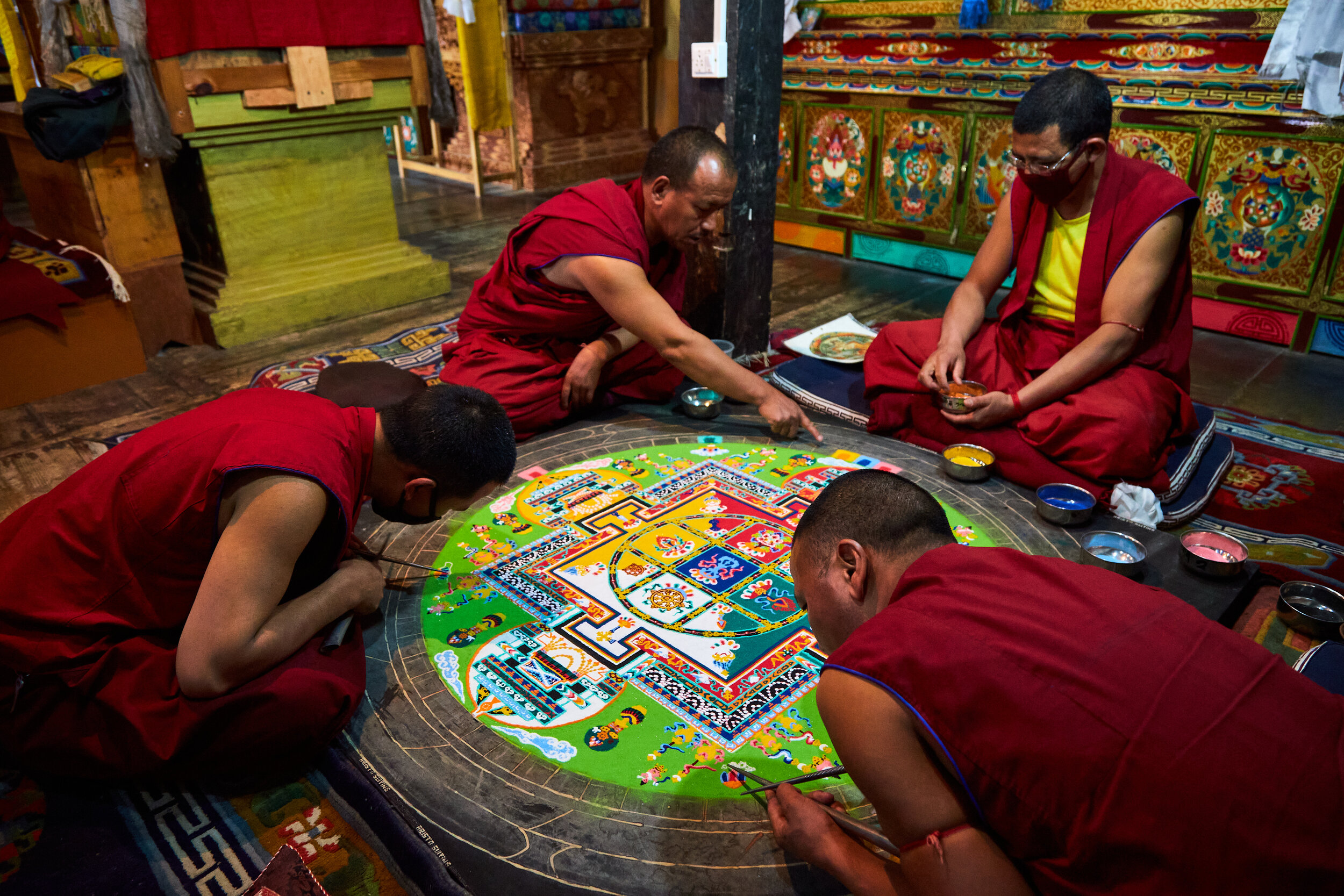
 Mandala is a spiritual representation of the universe. Performing a mandala art is not a common occurrence, but a fascinating sight if one is lucky enough to be in the right place at the right time. Few monks creating mandala in Thiksey monastery. View fullsize
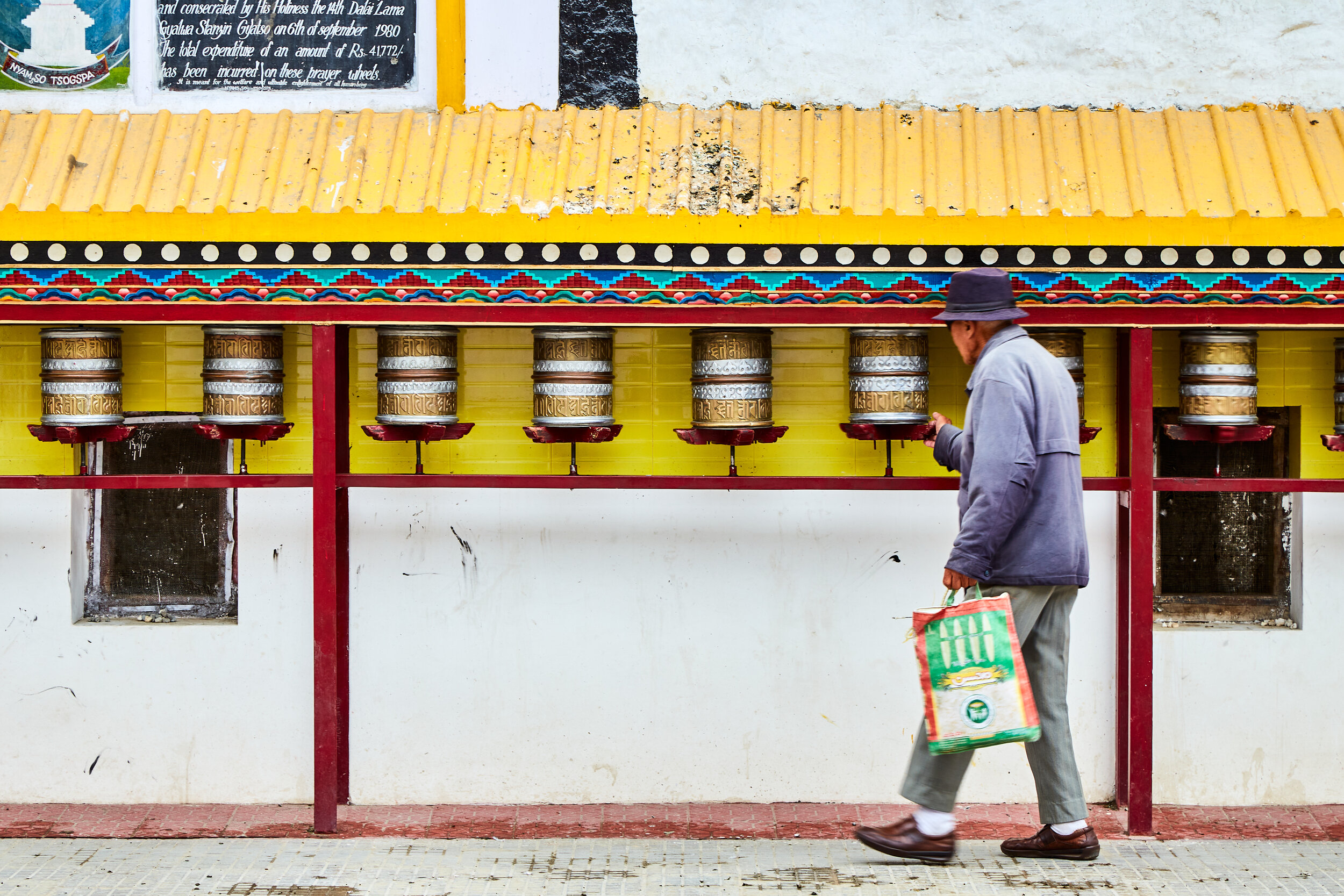
 Ethnic Tibetans contribute significantly to the population. They consider His holiness Dalai Lama as their spiritual leader, who is now in exile from Tibet after the Chinese invasion. View fullsize
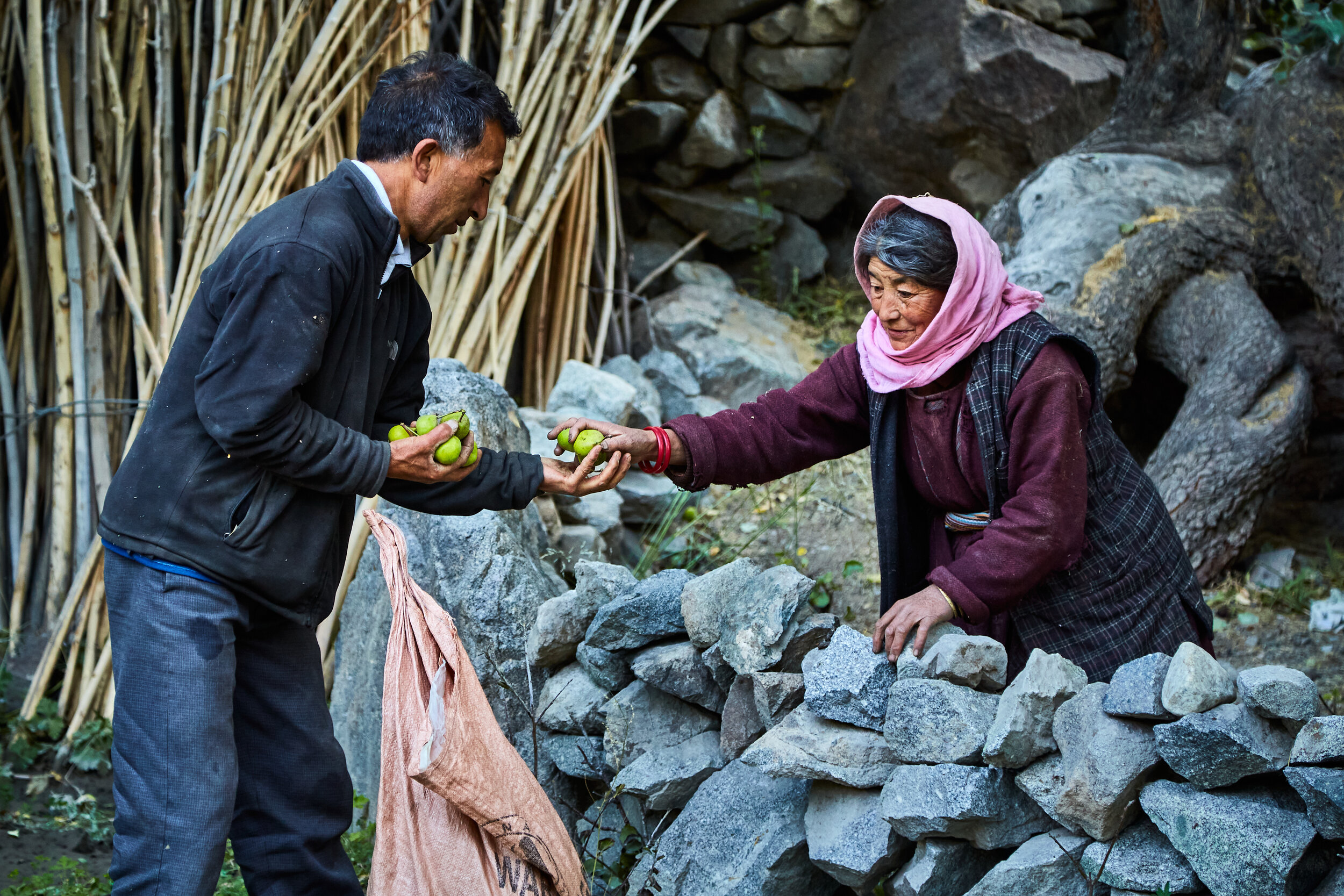
 I see generosity, contentment, and kindness as few of the pillars the Ladakhian community is formed on. This woman called a passerby to give a handful of fresh pears from her backyard. Inevitably I was the next. View fullsize
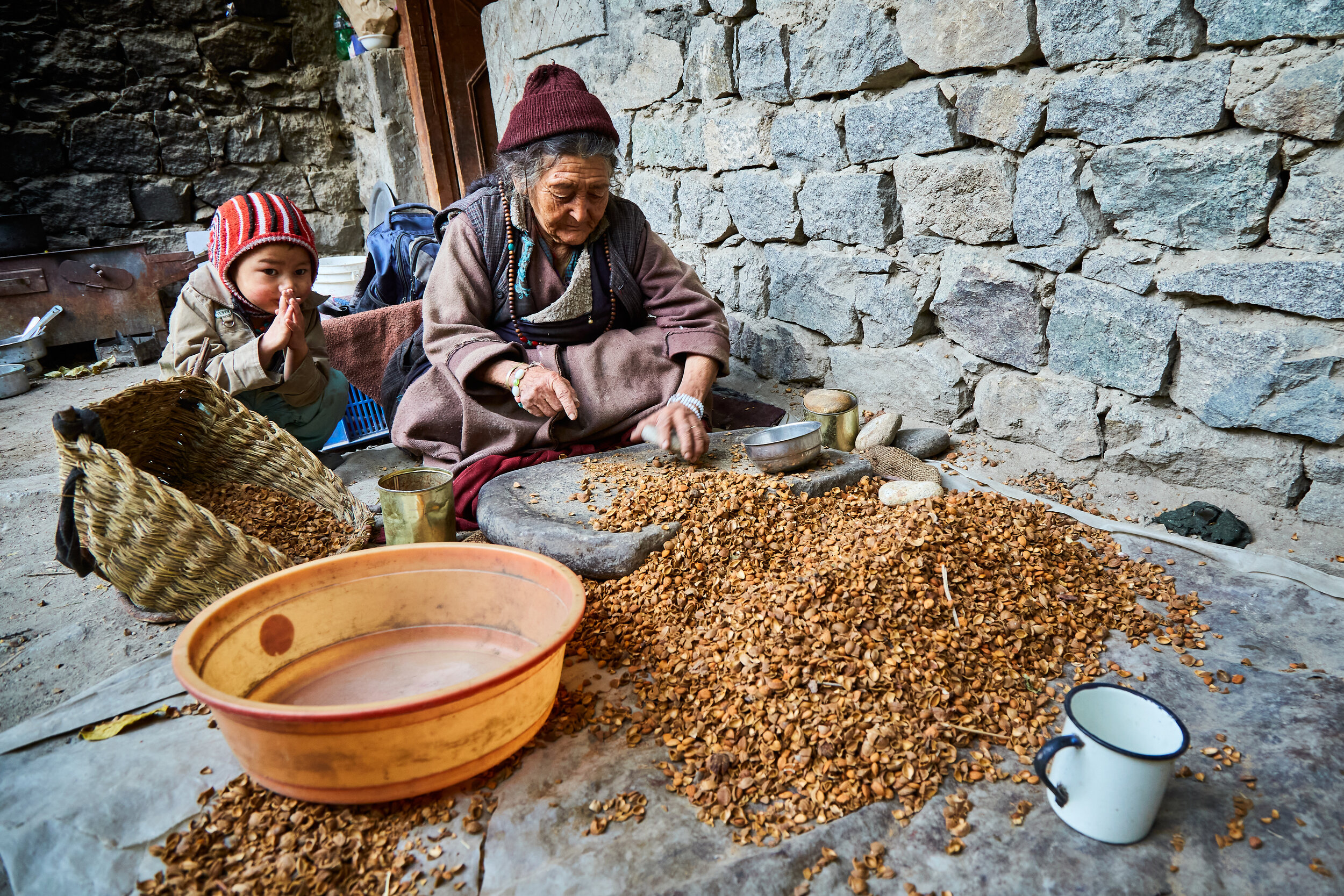
 Old age is a common term in the region. Elders contribute significantly to the upkeeping of the family and mostly self dependant. An elderly women making almond oil. View fullsize
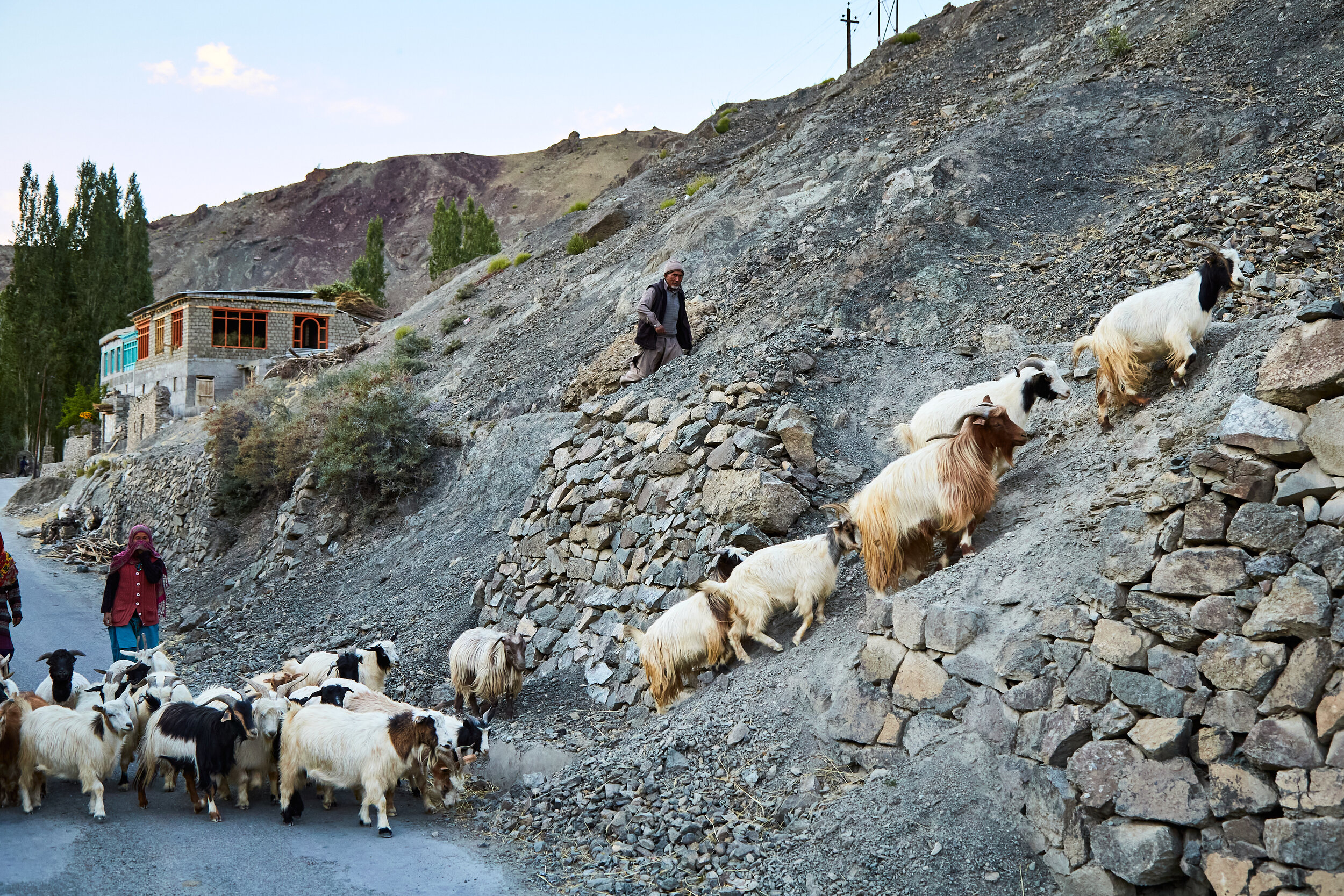
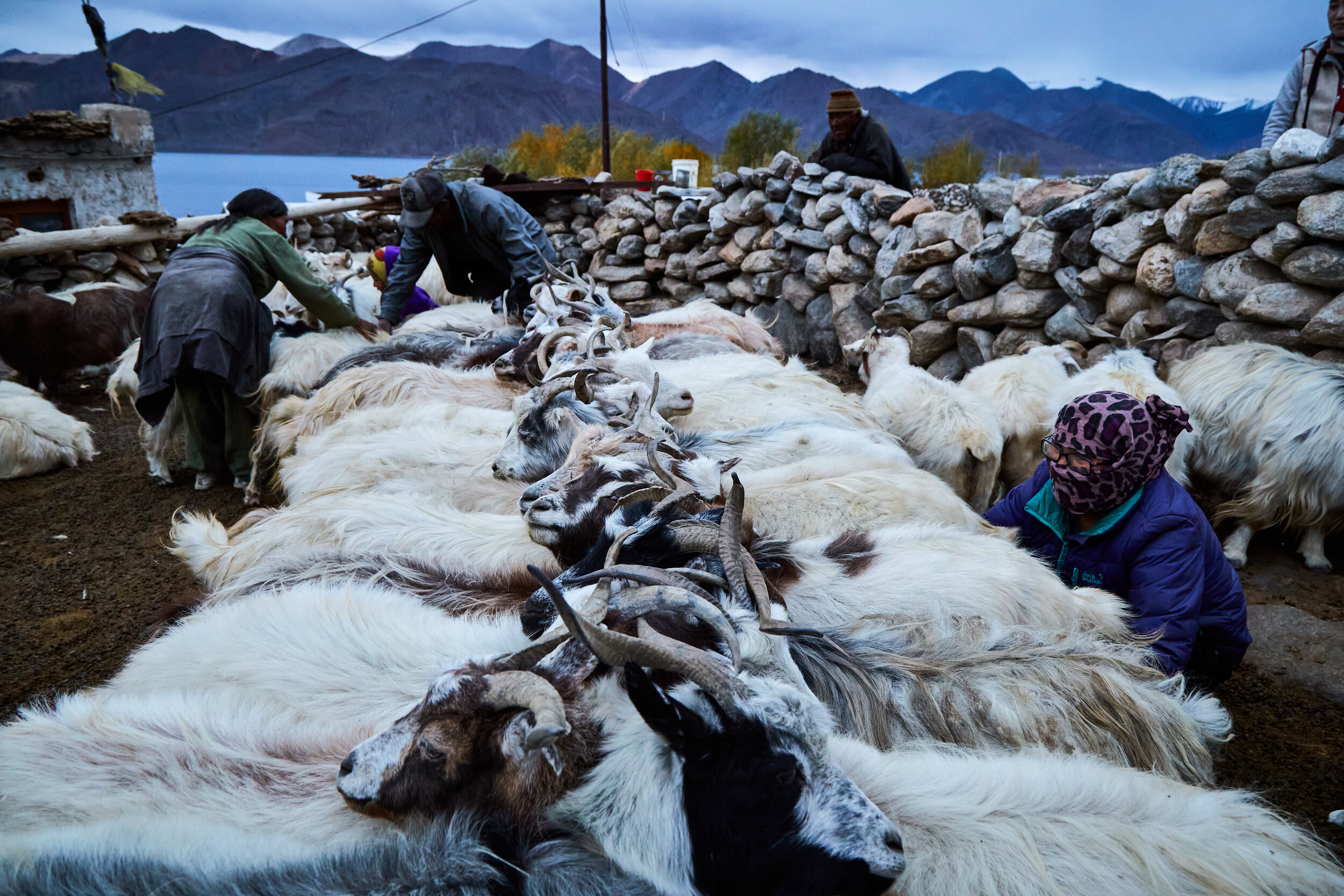
 Pashmina wool is one of the major income source for many of the nomadic herding communities. A group of herders tying the pashmina goats together at dusk as few start to milk the animals. View fullsize
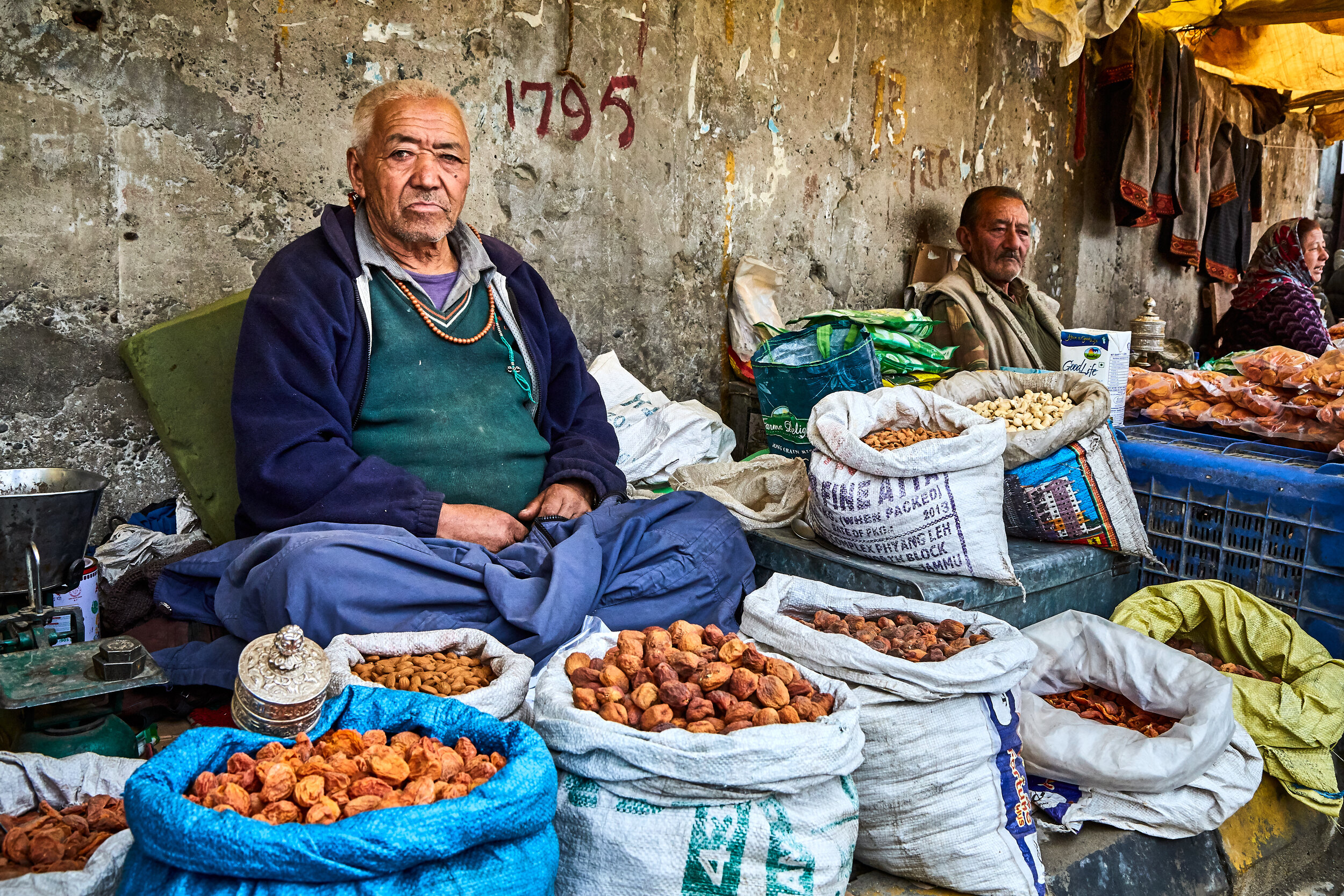
 Markets in the capital city of Leh receive produce from all over the region and far away from other parts of India. A dried fruit seller in Leh. View fullsize
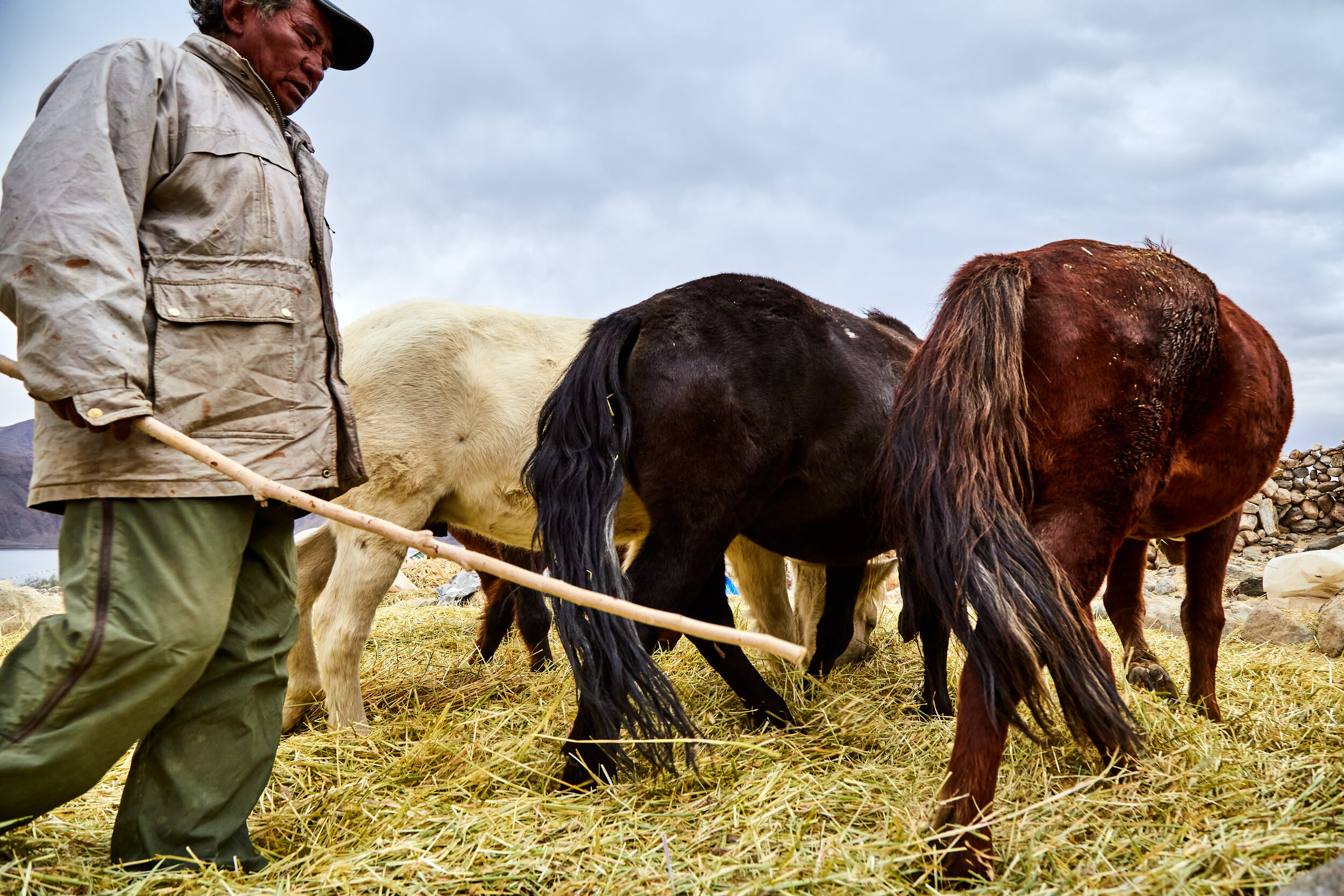
 A farmer guiding the horses over the piles of straw after the harvest. View fullsize
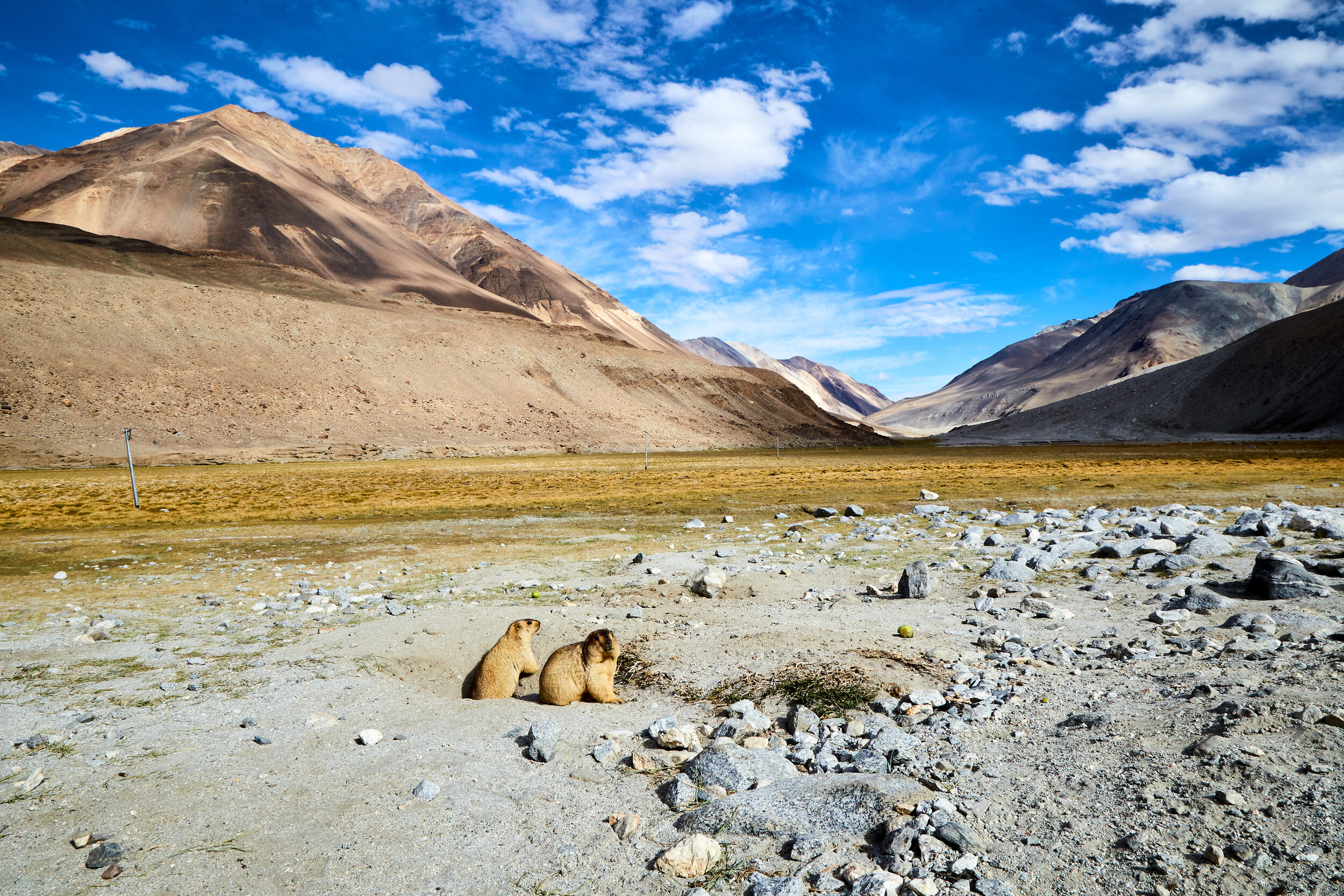
 Landscapes are abundant and is one of the main reason for the majority of the tourist influx. It in-turn brings unwanted interference as well. These Himalayan marmots are now used to the apples being offered by the tourists.  View fullsize
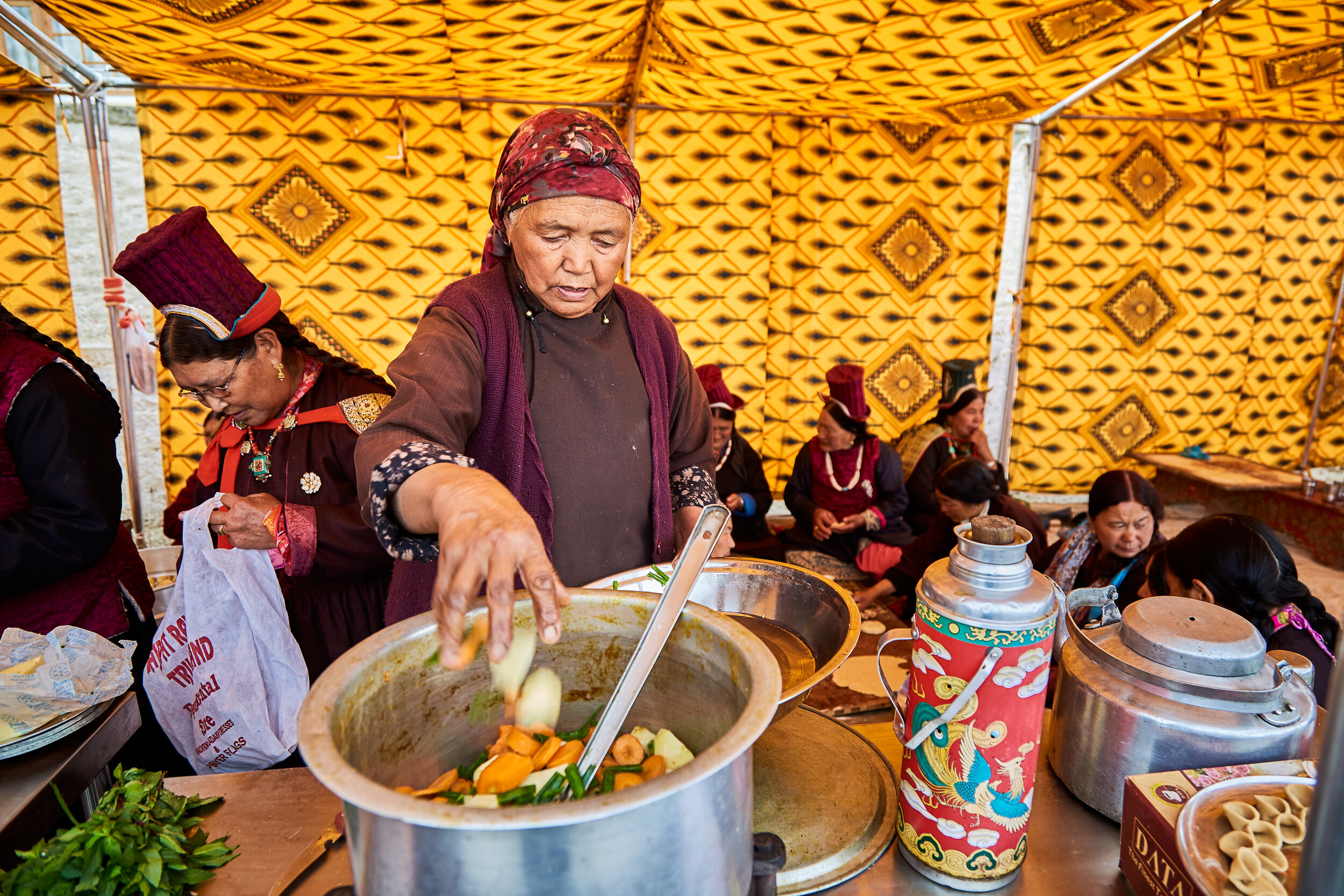
 With the tourism booming the local council has organised several events around the year. Group of women making traditional food at such an event. View fullsize
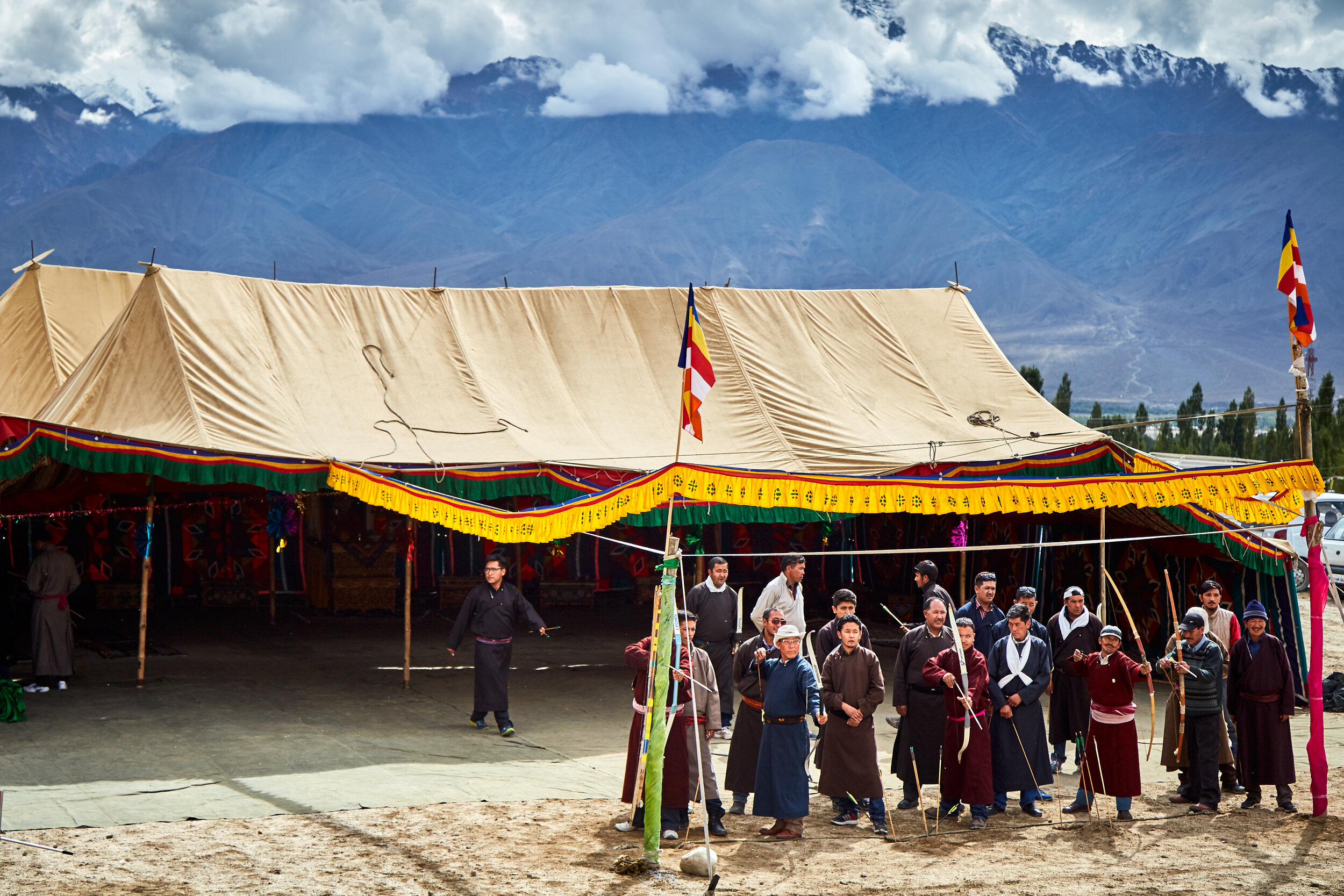
 A group of men participating in an archery competition in Leh during a local festival. View fullsize
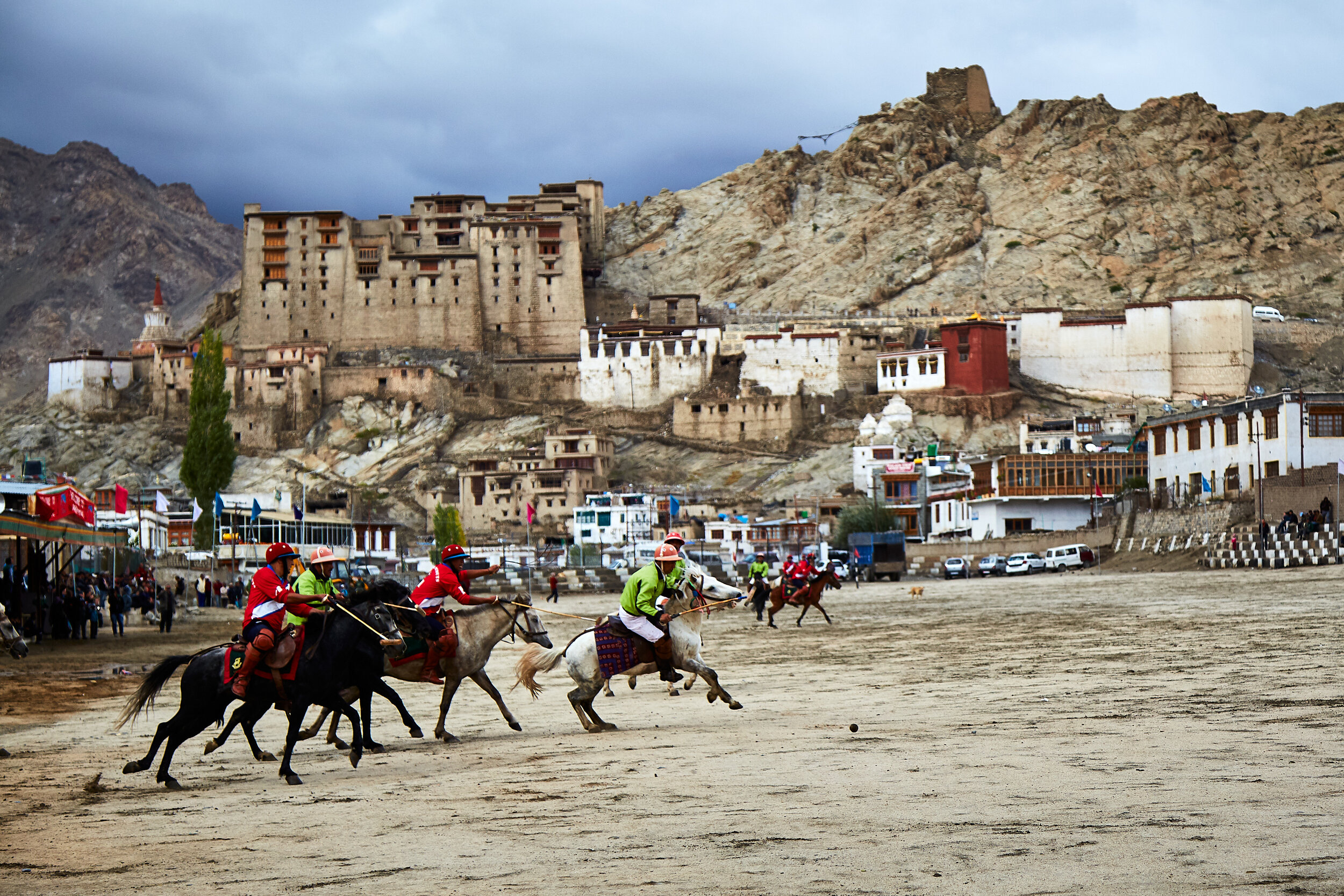
 An annual polo game being played at the capital city of Leh.  View fullsize
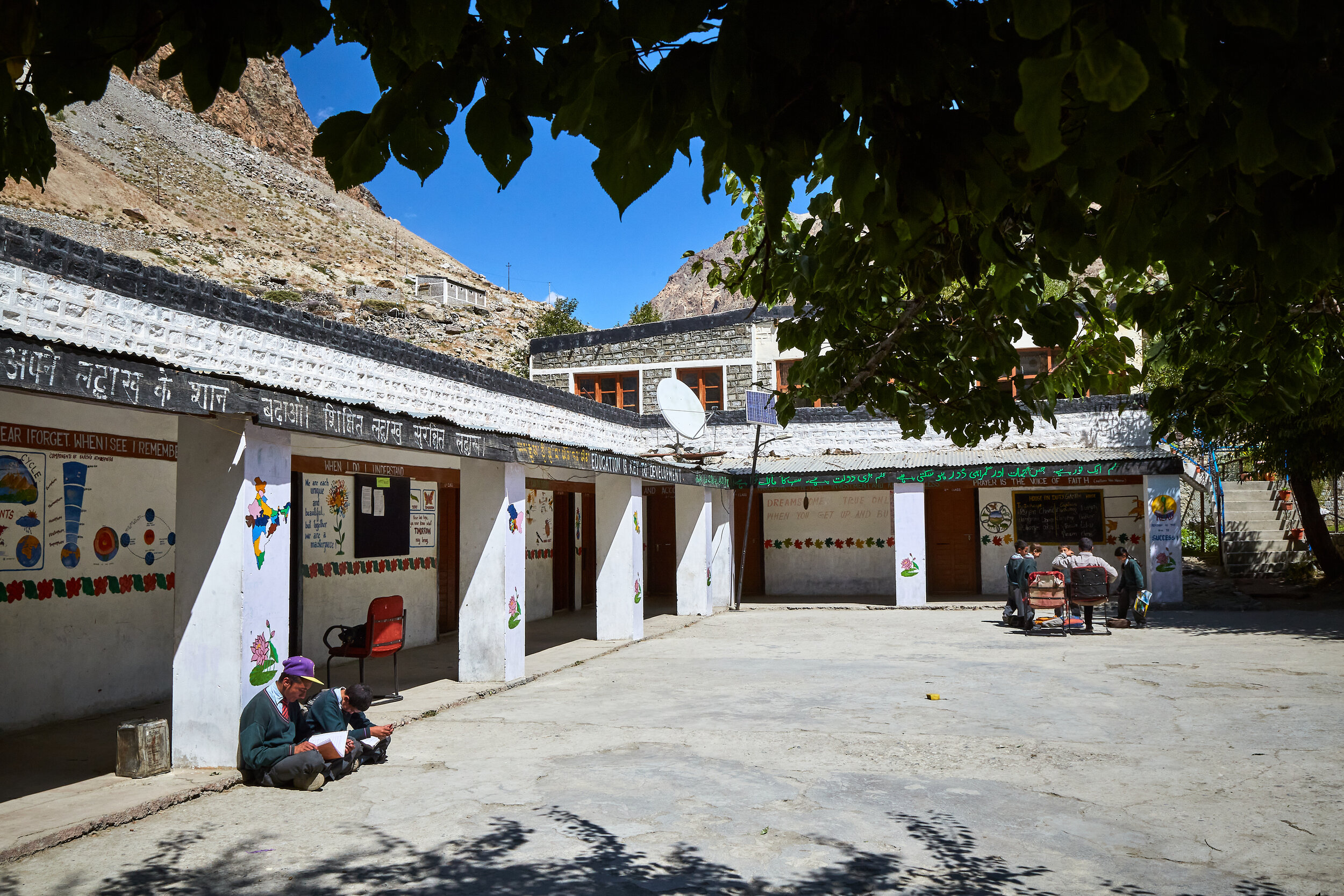
 Students are spending a quality study time under the sun and shade in a remote village school. Even in the very remote villages education is seen as a priority for the children. View fullsize
 Tourists standing on the top of Leh palace. In the recent past this Himalayan outpost has become a popular tourist destination for the majority local tourists, thanks to several movies shot in the region.
 A small village out in a barren land surrounded by hills
 A buddhist monastery complex on a hill overlooking the villages.
 Narrow roads connect the various localities in the Ladakh region. This particular road leads to Nubra valley from Leh and will pass through the world’s highest motorable road at Khardung la.
 Nubra valley is formed by the surrounding Karakoram mountain ranges. This region was once a part of the ancient silk route.
 Pangong lake is the world’s highest salt water lake and extends till bordering the Tibet and China. It is also the site at which the closing scenes of the famous Three idiots film was shot. Now its occasionally being called as Three idiots lake and
 The landscape on the other side of the Pangong lake contributes to the Indian border with China.
 As we move away towards Pakistan the demography of the regions changes rapidly. A group of ethnic muslims herding their cattle back home at dusk in a village near the Pakistan border.
 Lamayaru monastery, one of the prominent monastery complex in Ladakh surrounded by Himalayan landscape.
 A novice monk doing morning prayers looking at the sun. They follow the traditions of Mahayana buddhism.
 Mandala is a spiritual representation of the universe. Performing a mandala art is not a common occurrence, but a fascinating sight if one is lucky enough to be in the right place at the right time. Few monks creating mandala in Thiksey monastery.
 Ethnic Tibetans contribute significantly to the population. They consider His holiness Dalai Lama as their spiritual leader, who is now in exile from Tibet after the Chinese invasion.
 I see generosity, contentment, and kindness as few of the pillars the Ladakhian community is formed on. This woman called a passerby to give a handful of fresh pears from her backyard. Inevitably I was the next.
 Old age is a common term in the region. Elders contribute significantly to the upkeeping of the family and mostly self dependant. An elderly women making almond oil.
 Pashmina wool is one of the major income source for many of the nomadic herding communities. A group of herders tying the pashmina goats together at dusk as few start to milk the animals.
 Markets in the capital city of Leh receive produce from all over the region and far away from other parts of India. A dried fruit seller in Leh.
 A farmer guiding the horses over the piles of straw after the harvest.
 Landscapes are abundant and is one of the main reason for the majority of the tourist influx. It in-turn brings unwanted interference as well. These Himalayan marmots are now used to the apples being offered by the tourists.
 With the tourism booming the local council has organised several events around the year. Group of women making traditional food at such an event.
 A group of men participating in an archery competition in Leh during a local festival.
 An annual polo game being played at the capital city of Leh.
 Students are spending a quality study time under the sun and shade in a remote village school. Even in the very remote villages education is seen as a priority for the children.

email: sbhagiraj@gmail.com
+61 (0) 424288207